Preventing Drain Clogs in High-Usage Texas Households: Your Complete 2026 Guide
Reading time: 14 minutes
If you’ve ever stood ankle-deep in shower water or watched your kitchen sink drain at a glacially slow pace, you know the frustration. In Texas — where households run hard, summers stretch long, and families tend to be large — drain clogs aren’t just an inconvenience. They’re practically a seasonal ritual. But they don’t have to be.
Here’s the straight talk: Most drain clogs are entirely preventable. With the right habits, tools, and knowledge, you can keep your pipes flowing freely year-round — without calling a plumber every few months and draining your wallet in the process.
This guide is built specifically for Texas households — from the sprawling suburbs of Houston and San Antonio to the fast-growing metros of Austin and Dallas-Fort Worth — where high-usage patterns, hard water, and hot climates create a perfect storm for clogged drains.
Table of Contents
- Why Texas Homes Face Unique Drain Challenges
- The Most Common Drain Clog Culprits in 2026
- Room-by-Room Prevention Strategies
- Tackling Texas Hard Water: A Hidden Drain Destroyer
- DIY Maintenance vs. Professional Intervention
- Essential Tools Every Texas Homeowner Should Own
- How Often Texas Households Experience Drain Issues
- Drain Prevention Methods Compared
- Frequently Asked Questions
- Your Clog-Free Household Roadmap
Why Texas Homes Face Unique Drain Challenges
Texas isn’t just big in land and culture — it’s big in household size, water usage, and plumbing stress. According to the Texas Water Development Board’s 2025 Annual Report, the average Texas household uses approximately 138 gallons of water per day, well above the national average of 82 gallons. That’s nearly 70% more throughput in your pipes on any given day.
Add to that the state’s notorious hard water — with mineral hardness levels often exceeding 200 mg/L in cities like San Antonio and El Paso — and you have a recipe for accelerated mineral buildup inside drain pipes. That sticky mineral scale acts like Velcro for grease, hair, and soap scum, turning a minor buildup problem into a major blockage.
Meanwhile, Texas’s population growth shows no signs of slowing. The Dallas-Fort Worth Metroplex alone added over 170,000 new residents in 2025, according to U.S. Census Bureau estimates, flooding the market with newly occupied homes where plumbing systems are being stress-tested for the first time. In 2026, more Texas homes are occupied by multigenerational families than ever before — meaning more showers, more dishes, more laundry, and more demand on every drain in the house.
The result? Texas plumbers are busier than ever. A 2025 survey by the Plumbing-Heating-Cooling Contractors Association (PHCC) reported that residential drain service calls in Texas increased by 22% between 2023 and 2025, with the majority of calls traced back to entirely preventable clogs.
The Most Common Drain Clog Culprits in 2026
Understanding what clogs your drains is half the battle. Here’s what Texas plumbers are seeing most frequently in 2026:
Grease, Fat, and Cooking Oil
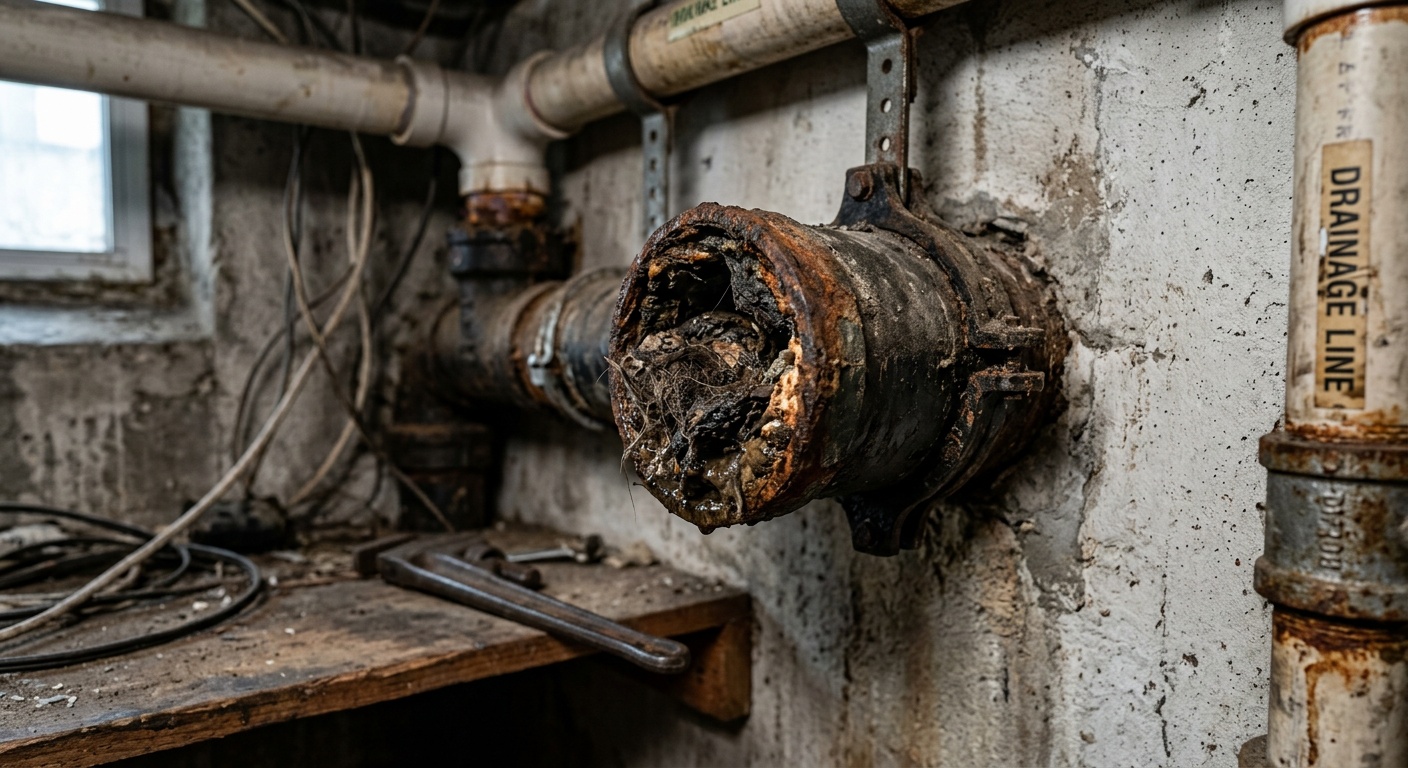
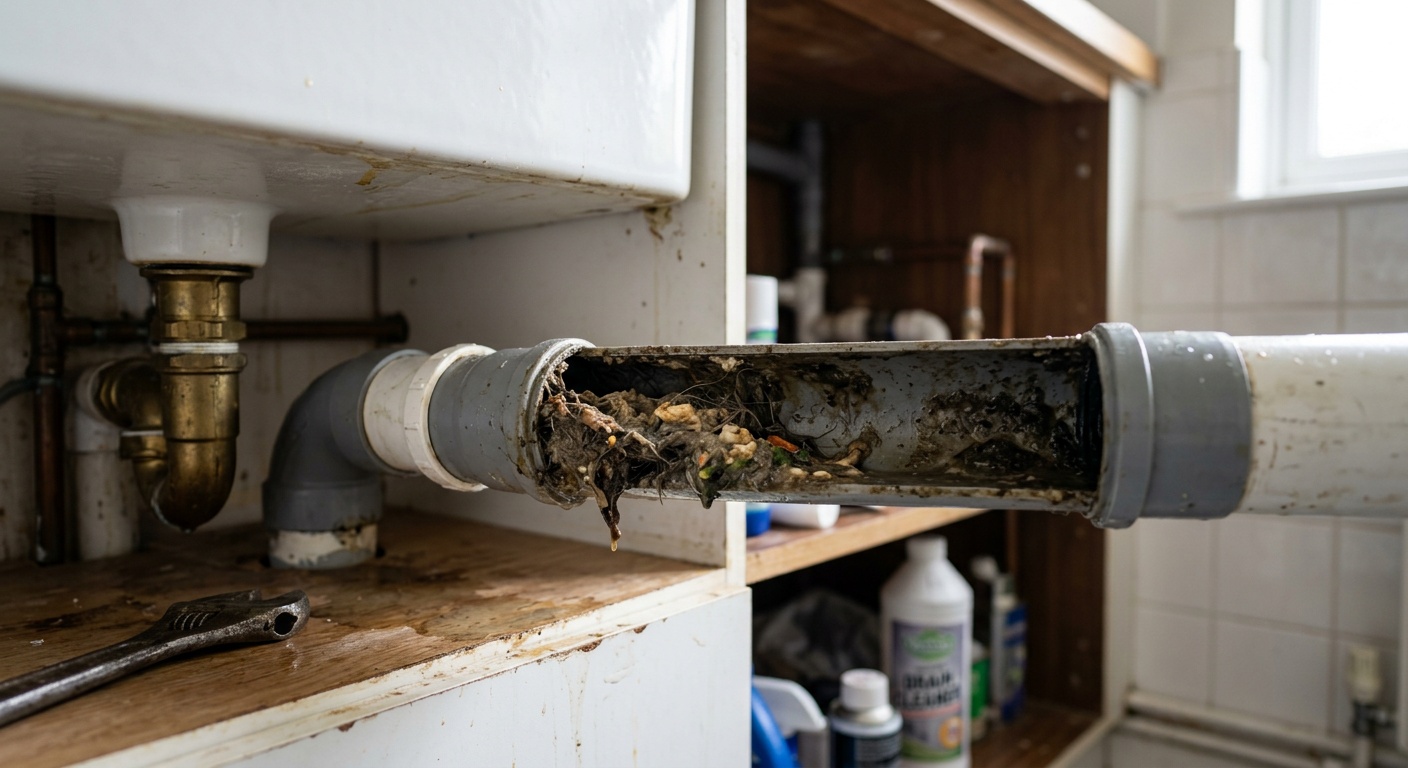
This is the undisputed king of kitchen drain clogs. When hot grease is poured down the sink, it flows freely — then solidifies as it cools inside your pipes, coating the interior walls and trapping food particles. Over time, that coating builds into a hard, waxy obstruction that can completely block a drain.
In Texas, where barbecue culture is a way of life and cooking with animal fats is common, grease buildup in kitchen drains is an especially prominent issue. A 2025 report from the City of Houston’s Public Works Department found that grease-related blockages accounted for 47% of all residential sewer service calls in the city — a figure that has remained stubbornly consistent year over year.
Hair and Soap Scum
Bathroom drains face their own distinct enemy: the combination of shed hair and soap residue. The average person loses between 50 and 100 hairs per day, and in a household of four or five people (common in Texas), that’s a significant volume of hair flowing toward your shower and bathroom sink drains every week. Soap scum — particularly from bar soaps that contain animal fat — bonds to hair and pipe walls, creating dense, sticky blockages.
Wet Wipes and “Flushable” Products
Despite being marketed as flushable, wet wipes do not break down in water the way toilet paper does. In 2025, the Water Environment Federation published updated research confirming that so-called flushable wipes remain largely intact even after extended time in sewer systems. Texas wastewater utilities have been sounding this alarm for years, and in 2026, the problem continues to grow as more households stock wipes for convenience.
Mineral Scale from Hard Water
As mentioned, Texas hard water deposits calcium and magnesium minerals inside pipes over time. This scaling narrows the effective diameter of your drains, reducing flow capacity and creating rough interior surfaces that catch debris far more readily.
Tree Root Intrusion
Particularly in older Texas neighborhoods — think older parts of Austin, Fort Worth, and Corpus Christi — tree roots seeking moisture can infiltrate aging sewer lines, causing persistent clogs that no amount of at-home drain cleaning will fix. This is a case where professional intervention is non-negotiable.
Room-by-Room Prevention Strategies
The most effective approach to preventing drain clogs is a room-specific strategy. Each drain in your home has a different enemy, and each requires a slightly different defense.
Kitchen Drain Prevention
The number one rule: never pour grease down the drain. This bears repeating because it seems so simple, yet it remains the leading cause of kitchen clogs. Instead, pour cooled cooking grease into a sealed container — an old coffee can or glass jar works perfectly — and dispose of it in the trash.
- Install a quality mesh strainer over your kitchen drain to catch food scraps. Even if you have a garbage disposal, a strainer prevents larger debris from entering the drain system.
- Run hot water for 30 seconds after each use of the sink to help flush any residual grease through the pipe before it solidifies.
- Run your garbage disposal with cold water, not hot. Cold water keeps fats solid so the disposal can grind them and flush them through, rather than letting hot water liquefy grease only to re-solidify further down the pipe.
- Avoid disposing of coffee grounds in the kitchen drain. Despite their fine texture, coffee grounds clump together inside pipes and contribute to blockages.
- Once a month, pour a mixture of baking soda followed by white vinegar down the drain, let it fizz for 15 minutes, then flush with hot water. This is a safe, eco-friendly maintenance routine that breaks down early-stage buildup.
Quick Scenario: Imagine it’s the week after Thanksgiving 2026. Your family of six has just finished a massive holiday feast. The temptation to pour leftover turkey drippings and gravy down the drain is real — and that single decision could lead to a blocked drain by New Year’s Eve. Keep a large mason jar by the stove and make grease disposal a household habit, not an afterthought.
Bathroom Drain Prevention
Bathroom drains demand a different playbook, centered primarily on hair management and soap selection.
- Use a hair catcher on every shower and tub drain. Silicone dome-style catchers available at most hardware stores for under $10 are remarkably effective and easy to clean. This single investment prevents the majority of bathroom drain clogs.
- Switch from bar soap to liquid body wash. Bar soaps, particularly those made with tallow (animal fat), leave significantly more residue in drains than liquid soap formulations.
- Clean drain stoppers weekly. Pull out bathroom sink stoppers and remove any hair and soap buildup before it compacts and hardens.
- Limit what gets flushed. Only flush toilet paper — nothing else. Post a friendly reminder in bathrooms used by guests or children.
Laundry Room Drain Prevention
Laundry room drains are often overlooked, but they handle significant volumes of lint, fabric fibers, and detergent residue.
- Install a lint trap on your washing machine discharge hose. These inexpensive mesh filters catch lint before it enters your standpipe drain.
- Use the recommended amount of detergent. More detergent doesn’t mean cleaner clothes — it means more soap residue in your drain system. In 2026, high-efficiency (HE) detergents are formulated for low sudsing; use them as directed.
- Check and clean the drain screen or filter monthly if your laundry area has a floor drain, especially common in Texas homes with utility rooms.
Tackling Texas Hard Water: A Hidden Drain Destroyer
If you live in San Antonio, El Paso, Lubbock, or Amarillo, you’re dealing with some of the hardest water in the entire United States. San Antonio’s municipal water supply consistently registers between 200–357 mg/L of total dissolved hardness, according to the San Antonio Water System’s 2025 Water Quality Report. To put that in perspective, water above 180 mg/L is classified as “very hard.”
Over years of use, mineral scale — primarily calcium carbonate — deposits on the interior walls of your pipes, gradually narrowing the passageway. This isn’t just a slow-drain problem; it’s a whole-home plumbing efficiency problem that increases water heating costs, degrades appliance lifespans, and makes every other type of clog worse.
Practical Hard Water Solutions
Here’s a three-tiered approach based on budget and severity:
- Tier 1 — DIY Maintenance ($0–$20/month): Run a monthly white vinegar flush through slow drains. Vinegar’s acetic acid dissolves early-stage calcium deposits. For showerheads showing visible mineral buildup, soak them in a zip-lock bag of vinegar overnight.
- Tier 2 — Water Softener Installation ($800–$2,500): A whole-home ion-exchange water softener replaces calcium and magnesium ions with sodium ions, effectively eliminating scale formation. In hard-water Texas cities, this is one of the highest-ROI home improvements you can make. It protects your water heater, dishwasher, washing machine, and all your drain pipes simultaneously.
- Tier 3 — Tankless Water Heater + Softener Combo: For households renovating in 2026, pairing a tankless water heater with a water softener creates a highly efficient, scale-resistant water system. Many Texas plumbing contractors now offer this as a bundled installation package.
Pro Tip: Even if you install a water softener, continue the monthly baking soda and vinegar drain flush. Existing scale deposits don’t dissolve overnight, and ongoing maintenance prevents new buildup from forming during transition periods.
DIY Maintenance vs. Professional Intervention
Not every clog situation is created equal. Knowing when to grab a plunger and when to call a licensed plumber is one of the most important skills a Texas homeowner can develop.
When DIY Works Perfectly Well
For the vast majority of household drain clogs — particularly those in sinks and showers — DIY methods are effective, safe, and cost-efficient:
- Plunging resolves most toilet and sink clogs. Use a cup plunger for sinks and a flange plunger for toilets.
- Drain snake (hand auger) is your best tool for shower and tub drain hair clogs that a plunger can’t reach. A basic 25-foot hand snake costs about $25–$40 at any Texas hardware store.
- Enzyme-based drain cleaners are safe for monthly maintenance use. Unlike chemical drain cleaners (more on that below), enzyme formulas break down organic matter without corroding pipe walls. Brands like Bio-Clean and Green Gobbler are widely available in Texas in 2026.
When to Call a Professional
Some situations demand professional tools and expertise:
- Multiple drains clogged simultaneously — this signals a blockage in the main sewer line, not a localized clog.
- Gurgling sounds from multiple drains when running water elsewhere in the house.
- Sewage smell coming from drains — indicates a serious blockage or venting issue.
- Recurring clogs in the same drain within a few weeks despite treatment — may indicate partial pipe collapse, root intrusion, or severe scale buildup requiring hydro-jetting.
- Water backing up into other fixtures — e.g., flushing the toilet causes water to come up in the bathtub.
Case Study — Austin Family, 2025: A family of five in Cedar Park, Austin noticed their kitchen sink draining slowly despite multiple DIY attempts. They used chemical drain cleaners four times over three months with temporary relief each time. When they finally called a plumber, a camera inspection revealed that tree roots from a nearby live oak had infiltrated their 40-year-old clay sewer line, creating a partial blockage that caught grease and debris. The repair — hydro-jetting plus a 6-foot pipe liner — cost $1,800. Had they called sooner, the hydro-jet alone at $350 might have been sufficient. Moral: persistent clogs deserve professional attention sooner rather than later.
The Chemical Drain Cleaner Warning
Products like Drano and Liquid-Plumr are heavily marketed as easy drain solutions, but plumbing professionals consistently caution against their regular use. These caustic chemicals generate heat as they react with clogs and can soften PVC pipes, corrode older metal pipes, and damage garbage disposal rubber components. They also present burn risks during handling. Use them sparingly as a last resort before calling a plumber — never as a maintenance tool.
Essential Tools Every Texas Homeowner Should Own
You don’t need a plumber’s workshop to keep your drains healthy. A basic toolkit costing under $100 handles 80% of household drain situations:
- Cup plunger — for sinks and tubs ($8–$15)
- Flange plunger — for toilets ($12–$20)
- 25-foot hand drain snake/auger — for hair and debris clogs ($25–$45)
- Silicone drain hair catchers (set of 4–6) — for all shower and tub drains ($12–$18)
- Enzyme drain cleaner (monthly maintenance supply) — ($15–$25)
- White vinegar (gallon jug) and baking soda — for natural maintenance flushes ($5–$8)
- Zip-it drain cleaning tool — a flexible plastic strip with barbs that pulls hair out of drains ($5–$8)
How Often Texas Households Experience Drain Issues
Based on 2025 PHCC Texas Chapter survey data of 1,200 Texas homeowners:
Kitchen Drain Clogs (Annual)
Bathroom/Shower Drain Clogs (Annual)
Toilet Backups (Annual)
Laundry Drain Issues (Annual)
Main Sewer Line Issues (Annual)
Drain Prevention Methods Compared
| Method | Cost | Effectiveness | Pipe Safety | Best For |
|---|---|---|---|---|
| Hair Catcher / Strainer | $5–$15 | ⭐⭐⭐⭐⭐ Very High | 100% Safe | Shower/Tub/Kitchen |
| Enzyme Drain Cleaner | $15–$25/mo | ⭐⭐⭐⭐ High | 100% Safe | All Drains (Maintenance) |
| Baking Soda + Vinegar Flush | $5–$8/mo | ⭐⭐⭐ Moderate | 100% Safe | Light buildup, odor control |
| Chemical Drain Cleaner | $8–$15/use | ⭐⭐⭐ Moderate | ⚠️ Risk to pipes | Emergency use only |
| Water Softener System | $800–$2,500 | ⭐⭐⭐⭐⭐ Very High | 100% Safe | Hard water scale prevention |
Frequently Asked Questions
Is it safe to use baking soda and vinegar in my drains every week?
Yes — baking soda and white vinegar are completely safe for weekly or monthly drain maintenance. The fizzing reaction helps break down early-stage grease, soap scum, and mineral deposits without any harm to pipe materials. However, don’t expect this method to clear an already-formed significant clog; it works best as a preventive maintenance measure rather than a cure for established blockages.
How do I know if my slow drain is a local clog or a main sewer line issue?
The key indicator is scope. If just one drain is slow — say, your bathroom sink — it’s almost certainly a localized clog in that drain’s trap or pipe. If multiple drains in different areas of your home are slow, gurgling, or backing up simultaneously, that strongly suggests a partial blockage in the main sewer line. Another red flag: water appearing in your bathtub or shower when you flush the toilet. That situation requires immediate professional assessment — don’t wait it out.
How often should a Texas household schedule professional drain maintenance?
For most Texas households, a professional drain inspection and hydro-jetting every 18 to 24 months is a sound preventive strategy. Homes with large families (five or more people), homes in areas with very hard water (San Antonio, El Paso), and homes older than 30 years with original plumbing should lean toward annual professional maintenance. The average cost of a professional hydro-jet drain cleaning in Texas in 2026 runs between $300 and $550 — far less expensive than emergency repairs or pipe replacement.
Your Clog-Free Household Roadmap: Take Action This Week
You’ve now got a comprehensive picture of why Texas homes are particularly vulnerable to drain clogs and exactly what to do about it. Here’s your practical, prioritized action plan to implement immediately:
- Today: Install silicone hair catchers on all shower and tub drains. This single step prevents the most common bathroom clogs and takes five minutes total.
- This week: Place a grease disposal container (an old coffee can or jar) next to your stove and commit the habit of draining cooking grease into it instead of the sink.
- This month: Do a full drain maintenance flush with baking soda and vinegar on every sink in the house. Purchase an enzyme drain cleaner for ongoing monthly use.
- This quarter: If you’re in a hard-water Texas city, get quotes from two or three plumbing contractors for a whole-home water softener. Evaluate the ROI against your current appliance maintenance and plumbing repair costs.
- This year: If your home is older than 25 years or you’ve had recurring clogs, schedule a professional sewer line camera inspection. Early detection of root intrusion or pipe degradation saves thousands in emergency repair costs down the road.
As Texas continues its extraordinary growth through 2026 and beyond, municipalities and plumbing infrastructure are under increasing pressure. The homes that stay clog-free aren’t just more comfortable to live in — they’re actively reducing strain on aging sewer systems and conserving water resources that are increasingly precious in a drought-prone state.
Here’s the question worth sitting with: What’s the cost of doing nothing? A single emergency plumber call in 2026 averages $280–$450 in Texas for an after-hours drain emergency — not counting potential water damage. A $15 hair catcher and a monthly maintenance habit can eliminate that expense entirely. Which choice reflects how you want to invest your time and money this year?
Your pipes work hard every single day. Give them the straightforward care they deserve, and they’ll reward you with years of trouble-free performance.