Low-Flow Fixtures That Cut Water Bills in San Antonio Homes
Reading time: 12 minutes
San Antonio homeowners paid an average of $97 per month on water bills in early 2026 — and that number keeps climbing. With the Edwards Aquifer under increasing stress and SAWS (San Antonio Water System) rate adjustments taking effect in 2025, the pressure on household budgets is real. But here’s the good news: the right low-flow fixtures can slash your water consumption by 30–50% without sacrificing a single drop of comfort.
Let’s be straight with you — this isn’t about guilt-tripping you into two-minute showers. It’s about strategic home upgrades that pay for themselves within months, qualify for local rebates, and keep more money in your pocket year after year. Whether you’re a first-time homeowner in Alamo Heights or a longtime resident of Stone Oak, this guide breaks down exactly what to install, what to expect, and how to make the math work in your favor.
Table of Contents
- Why San Antonio Is Different — And Why It Matters
- Low-Flow Toilets: The Biggest Bang for Your Buck
- High-Efficiency Showerheads: Where Comfort Meets Conservation
- Aerators and Low-Flow Faucets: Small Changes, Real Savings
- Fixture Comparison Table
- SAWS Rebates and Incentives in 2026
- 3 Common Challenges and How to Overcome Them
- Real San Antonio Stories: Case Studies
- Water Savings at a Glance
- FAQs
- Your Water-Wise Action Plan
Why San Antonio Is Different — And Why It Matters
San Antonio isn’t just another Sun Belt city dealing with growth pressures. It sits squarely atop the Edwards Aquifer, one of the most productive artesian aquifers in the United States — but also one under constant regulatory scrutiny. The Edwards Aquifer Authority enforces pumping limits based on Comal and San Marcos spring flow levels, which means drought years can trigger Stage restrictions that directly affect your household usage rights.
In 2025, SAWS implemented a tiered rate restructuring that increased costs for households using more than 15,000 gallons per month. By mid-2026, the average single-family home in the city is paying approximately $4.20 per 1,000 gallons at the base tier — but usage above 30,000 gallons jumps to over $7.50 per 1,000 gallons. That tiered system is precisely why low-flow fixtures deliver outsized financial returns here compared to flat-rate cities.
Beyond cost, water security is genuinely at stake. The 2022 drought classification and the continued population growth — San Antonio passed 1.5 million residents in 2024 — mean that conservation isn’t just civic virtue. It’s practical survival planning. Installing low-flow fixtures is one of the highest-ROI moves a San Antonio homeowner can make right now.
Low-Flow Toilets: The Biggest Bang for Your Buck
Toilets account for roughly 30% of all indoor water use in a typical American home. In San Antonio households with older pre-1994 toilets still using 3.5 to 5 gallons per flush (GPF), the upgrade opportunity is enormous. Modern WaterSense-certified toilets use 1.28 GPF or less — and dual-flush models drop that average even further.
Understanding Your Options: Single-Flush vs. Dual-Flush
Single-flush WaterSense toilets are the simplest upgrade. Brands like TOTO, Kohler, and American Standard offer reliable 1.28 GPF models starting around $175 at local suppliers. They’re foolproof, widely stocked at local plumbing suppliers on the Loop 410 corridor, and installation typically runs $100–$150 through a licensed San Antonio plumber.
Dual-flush toilets offer a full flush (1.28 GPF) for solids and a reduced flush (0.8–1.0 GPF) for liquids. A family of four using a dual-flush toilet can realistically average 1.0 GPF across all uses. That’s a potential saving of 15,000–20,000 gallons per year per toilet compared to an older model. With SAWS tiered pricing, that translates to roughly $75–$120 in annual savings per fixture.
What About Pressure-Assist Toilets?
Some San Antonio homeowners — particularly those in two-story homes or homes with long drain runs — find that gravity-fed low-flow toilets clog more frequently. If that’s a concern, pressure-assist toilets use compressed air to supercharge each flush, providing powerful performance at just 1.0 GPF. They’re louder (expect a whoosh), but they virtually eliminate the dreaded double-flush problem that makes some homeowners skeptical of low-flow models. Sloan and American Standard offer solid pressure-assist options in the $250–$400 range.
Pro Tip: Before purchasing, check the MaP (Maximum Performance) score at map-testing.com. Any toilet scoring 500g or higher is considered reliable for real-world performance. Top performers score 1,000g — look for those if you have any doubts.
High-Efficiency Showerheads: Where Comfort Meets Conservation
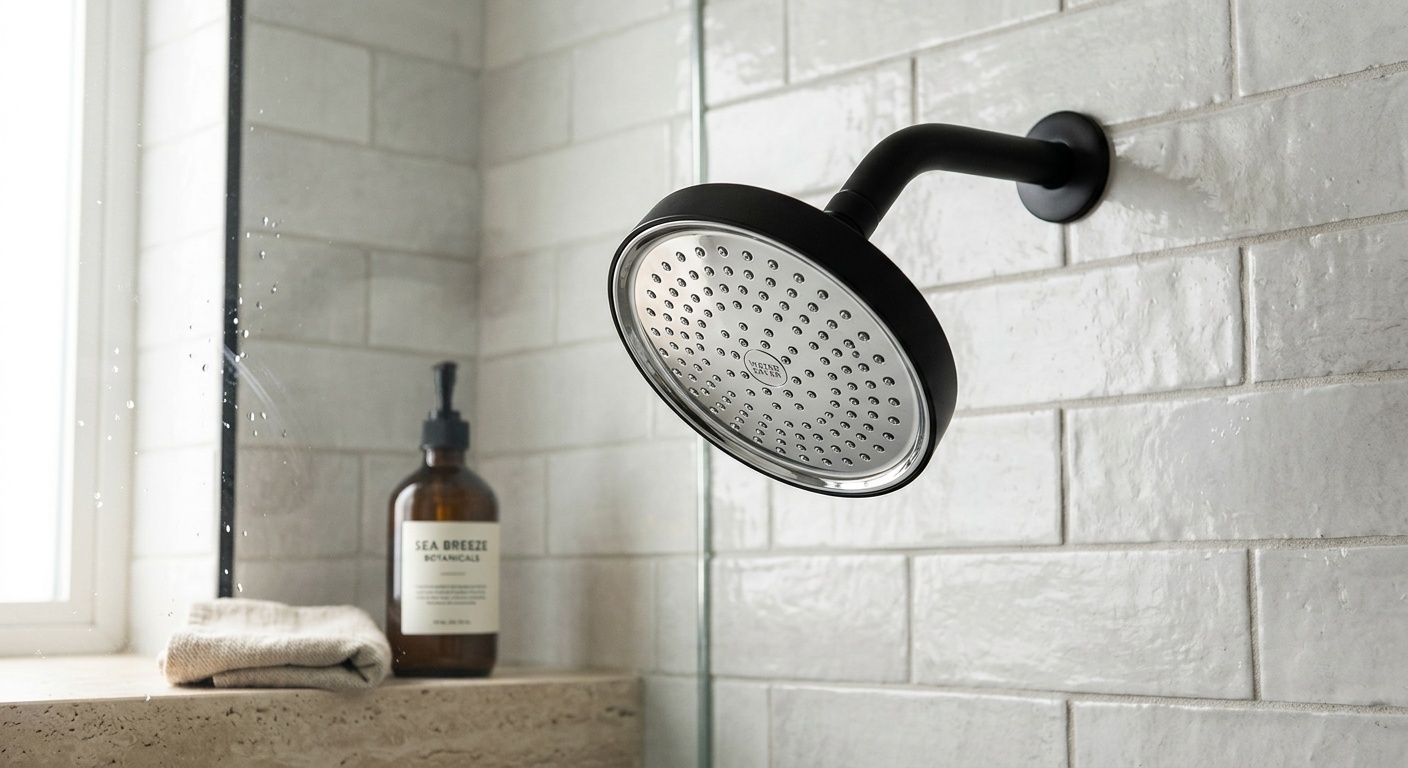
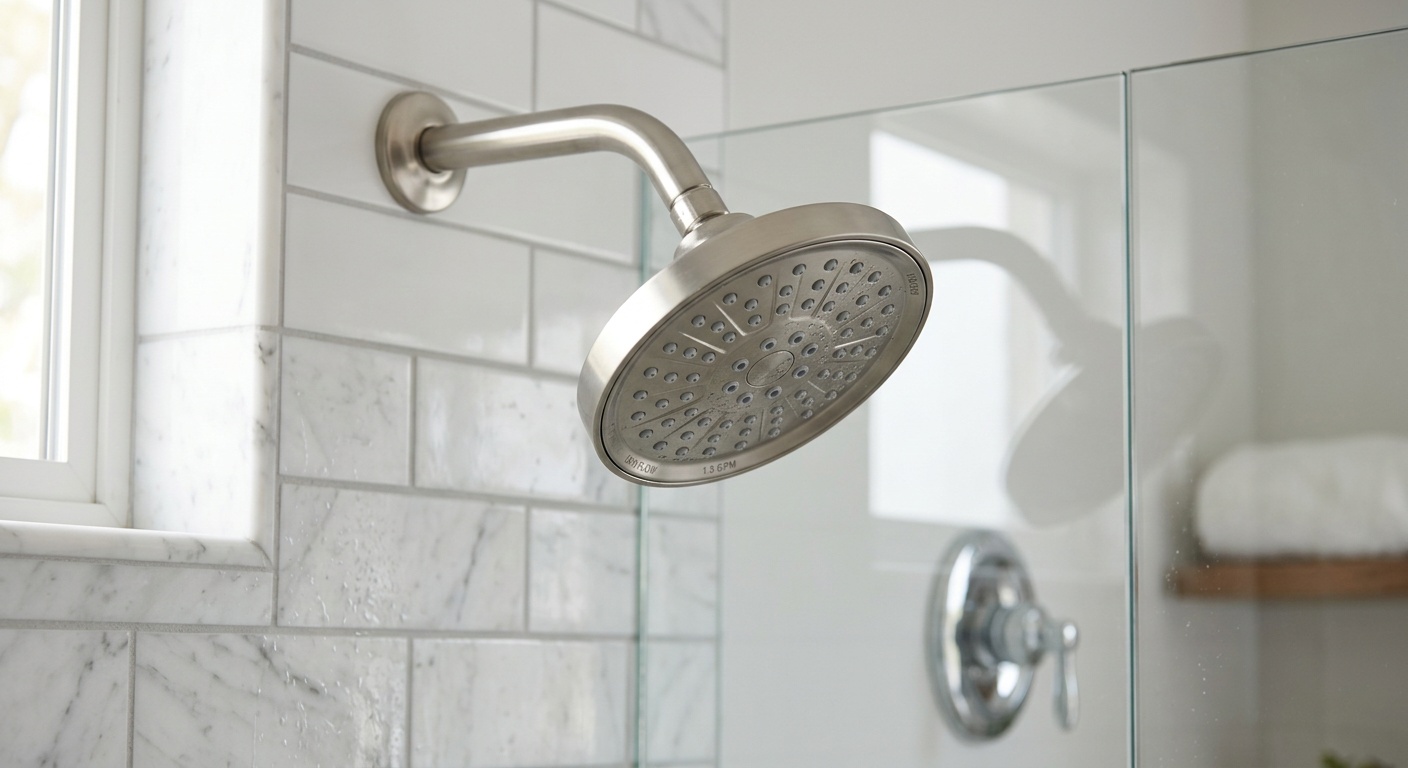
Standard showerheads flow at 2.5 gallons per minute (GPM). WaterSense-certified low-flow models are capped at 2.0 GPM, and many high-performance designs deliver a satisfying spray at just 1.5 GPM. For a family of four taking 8-minute showers daily, dropping from 2.5 to 1.5 GPM saves approximately 11,680 gallons per year — real money at SAWS tiered rates.
The Technology Behind Low-Flow Shower Performance
Early low-flow showerheads had a reputation problem — thin, unsatisfying trickles that left users cold and frustrated. That era is over. Modern designs use three core technologies to maintain pressure perception while reducing volume:
- Air-infusion (aeration): Mixes air into the water stream, creating larger droplets that feel fuller. Brands like Niagara Conservation’s Earth Massage use this effectively at 1.5 GPM.
- Laminar flow: Creates individual water streams rather than a spray, minimizing mist and heat loss. Popular in luxury brands like Hansgrohe and GROHE.
- Pause valves: Allow you to temporarily cut flow to a trickle while lathering, then resume at full pressure without touching temperature controls. Particularly useful for maximizing savings without inconvenience.
For San Antonio’s hard water (the city’s water averages around 250–300 ppm hardness), look for showerheads with rubber nozzles that resist mineral buildup. The Speakman S-2005-HB and the Delta In2ition are both well-reviewed by local plumbers for their hard-water durability.
Aerators and Low-Flow Faucets: Small Changes, Real Savings
Here’s the most underrated upgrade in water conservation: faucet aerators. These small mesh inserts screw onto your existing faucet and restrict flow by mixing air with water. A standard bathroom faucet flows at 2.2 GPM; swap in a $4 aerator and you’re down to 1.0 GPM or less. Kitchen faucets can drop from 2.2 GPM to 1.5 GPM while still handling dish-rinsing demands comfortably.
The math on aerators is almost too good to believe. A single bathroom faucet aerator costing $4 can save a household 700+ gallons per year per fixture. Install them on all four faucets in a typical home and you’re looking at 2,800 gallons saved annually for a total investment of under $20. That’s a payback period measured in weeks, not months.
For full faucet replacements, look for WaterSense-labeled kitchen and bathroom faucets. Moen, Delta, and Kohler all offer attractive options that qualify for SAWS rebates (more on that below). Kitchen pull-down faucets with a 1.5 GPM rating are the sweet spot — enough flow for efficient rinsing without waste.
Quick Win: SAWS offers free aerator kits through their conservation programs. As of 2026, San Antonio residents can request a free WaterSense fixture package — including two bathroom aerators and one kitchen aerator — directly through the SAWS website. No purchase required. Start there before spending a single dollar.
Fixture Comparison Table
| Fixture Type | Standard Flow | Low-Flow Rate | Est. Annual Savings | Avg. Cost (Installed) |
|---|---|---|---|---|
| Toilet (per unit) | 3.5–5.0 GPF | 1.28 GPF | $90–$130 | $275–$550 |
| Showerhead | 2.5 GPM | 1.5–2.0 GPM | $35–$70 | $25–$200 (DIY) |
| Bathroom Faucet Aerator | 2.2 GPM | 0.5–1.0 GPM | $10–$20 | $4–$15 (DIY) |
| Kitchen Faucet | 2.2 GPM | 1.5 GPM | $25–$50 | $150–$400 (installed) |
| Whole-Home Bundle | — | 30–50% reduction | $200–$400/yr | $800–$2,000 (installed) |
SAWS Rebates and Incentives in 2026
One of San Antonio’s best-kept financial secrets is the depth of its water conservation rebate program. SAWS has consistently ranked among the most generous utility rebate programs in Texas, and in 2026, the program has expanded following a City Council water security resolution passed in late 2025.
Current 2026 SAWS rebate highlights include:
- WaterSense Toilet Rebate: $100 per toilet replaced (up to two toilets per household per year). Requires proof of purchase and old toilet disposal documentation.
- High-Efficiency Showerhead Rebate: $5–$20 per showerhead for WaterSense-certified models.
- Free Irrigation Audit: Not a fixture, but while you’re thinking conservation — SAWS will audit your outdoor irrigation system for free and identify waste points.
- WaterSaver Landscape Coupon Book: $200 in coupons redeemable at participating nurseries — relevant if you’re replacing thirsty turf with xeriscape to reduce outdoor water needs alongside indoor fixture upgrades.
The Texas State Energy Conservation Office (SECO) also offers a separate rebate pathway for manufactured homes and multifamily units. If you’re a landlord with rental properties in San Antonio, stacking SAWS and SECO rebates on a fixture upgrade project can dramatically shorten your payback period.
Important note: Always buy fixtures before submitting rebate applications, keep original receipts, and confirm current rebate amounts at saws.org before purchasing — amounts can update mid-year.
3 Common Challenges and How to Overcome Them
Challenge 1: Poor Flushing Performance
The most common complaint from skeptical homeowners is that low-flow toilets “don’t flush everything the first time.” This is a legitimate concern — but it’s almost always a purchasing problem, not a technology problem. Cheaper, unbranded low-flow toilets sold at big-box stores often perform poorly. The solution is simple: use the MaP testing database to verify performance scores before buying. Stick to models scoring 800g or above from reputable manufacturers (TOTO, Kohler, American Standard, Gerber). These products cost $50–$100 more than discount options but perform reliably and eliminate the double-flush trap that wastes more water than a standard toilet.
Challenge 2: Hard Water Clogging Low-Flow Showerheads
San Antonio’s hard water is notoriously tough on fixtures. Mineral deposits can clog low-flow showerhead nozzles within 6–18 months, dramatically reducing pressure and performance. The fix has two parts: First, choose showerheads with rubber nozzles (rather than metal holes) that you can wipe clean with your finger. Second, soak the showerhead in white vinegar overnight every 6 months — this dissolves calcium buildup completely. A $5 maintenance habit protects a $75–$150 investment for years. Alternatively, consider pairing your showerhead with an inline shower filter, which reduces sediment and hardness minerals before they reach the nozzle.
Challenge 3: Tenant or Family Resistance to Change
If you’re upgrading fixtures in a home shared with skeptical family members or tenants, the biggest obstacle is often psychological: people assume “low-flow” means “low quality.” The strategic approach here is to upgrade without announcing it. Install a quality 1.8 GPM showerhead with a good spray pattern and say nothing. In most cases, nobody notices. Resistance evaporates when people discover the upgrade happened without any loss of experience. For toilets, the dual-flush model is often the easiest sell because it visibly offers choice rather than restriction.
Real San Antonio Stories: Case Studies
The Martinez Family, Helotes (2025–2026)
Carmen and Diego Martinez, a family of five in Helotes, were averaging 28,000 gallons per month — firmly in SAWS’s punishing upper tier. After a free SAWS conservation consultation in October 2025, they invested $1,400 in a complete fixture upgrade: three dual-flush toilets, two high-efficiency showerheads, and aerators throughout the home. By February 2026, their monthly usage had dropped to 17,500 gallons — a 37.5% reduction. Their monthly bill fell from an average of $134 to $81. “The toilets were the game-changer,” Carmen said in a SAWS case study. “I expected to notice the difference. I didn’t — except on the bill.” The Martinez family expects full payback on their fixture investment within 14 months, after applying the $300 SAWS toilet rebate.
Robert Chen, Midtown Rental Property Owner (2026)
Robert owns a 6-unit rental building near the Pearl District. In early 2026, he undertook a systematic fixture audit after noticing his water bills increasing despite stable occupancy. The culprit: aging 3.5 GPF toilets (installed in 1992) and 2.5 GPM showerheads throughout the building. After replacing all 12 toilets and 10 showerheads — qualifying for SAWS commercial rebates plus SECO multifamily incentives — his building’s collective water bill dropped by 42%, saving approximately $310 per month. Total investment after rebates: $4,800. Payback period: under 16 months. Robert’s experience highlights how the tiered rate system amplifies savings at higher usage volumes.
Water Savings at a Glance: Annual Gallons Saved Per Fixture Type
The chart below illustrates estimated annual water savings per fixture for a typical San Antonio household of four, based on average usage patterns and SAWS 2026 consumption data.
Annual Gallons Saved Per Fixture Upgrade
*Based on SAWS 2026 average usage data. Household of 4, 8-min showers, 5 flushes/person/day.
Frequently Asked Questions
Are low-flow toilets really effective enough for everyday use, or will I be double-flushing constantly?
The double-flush problem is real — but only with low-quality models. WaterSense-certified toilets from established manufacturers that score 800g or higher on MaP performance tests flush reliably in virtually all household scenarios. TOTO’s Drake series and Kohler’s Highline Comfort Height are two models with excellent real-world performance records and widespread positive reviews from San Antonio plumbers. Double-flushing a 1.28 GPF toilet (2.56 gallons) is still less water than a single flush on an old 3.5 GPF model — so even in a worst-case scenario, you’re ahead. Invest slightly more upfront in a proven model and you won’t have this problem.
Does SAWS really reimburse the cost of new fixtures, and how do I claim the rebate?
Yes, SAWS rebates are legitimate and actively promoted by the utility. As of 2026, the toilet rebate provides $100 per WaterSense-certified unit, up to two per household per calendar year. To claim: purchase your WaterSense-certified toilet, install it, photograph your old toilet before disposal, keep your receipt, and submit the rebate application at saws.org/conservation within 90 days of purchase. Rebate checks typically arrive within 6–8 weeks. Showerhead rebates work similarly but at lower amounts ($5–$20). Always verify current rebate amounts on the SAWS website before purchasing, as rates can change with program updates.
How much can a San Antonio household realistically save per year by switching to all low-flow fixtures?
For a typical four-person San Antonio household currently using 22,000–28,000 gallons per month, a complete fixture upgrade — two to three toilets, two showerheads, and aerators throughout — delivers estimated annual savings of $180 to $380, based on current SAWS tiered pricing. Households in the upper usage tiers save more because they’re paying higher marginal rates. The total investment after SAWS rebates typically falls between $600 and $1,500 depending on fixture choices and whether you DIY or hire a plumber. Payback periods range from 14 to 36 months, with ongoing savings every year thereafter. Combining indoor fixture upgrades with outdoor irrigation efficiency can push total savings above $500 per year.
Your Water-Wise Action Plan: Start Saving This Month
The beauty of low-flow fixture upgrades is that you don’t have to do everything at once. Here’s a practical, phased approach tailored for San Antonio homeowners in 2026:
- Week 1 — Free Wins: Visit saws.org and request your free aerator kit. Install them on every bathroom faucet and see immediate results. Zero cost, 10 minutes of work, instant savings.
- Week 2 — Showerhead Upgrade: Replace your shower heads with a WaterSense-certified 1.5–1.8 GPM model. Budget $50–$100. Most homeowners can do this with a wrench and plumber’s tape in 15 minutes.
- Month 2 — Toilet Priority: Identify your highest-use bathroom toilet (usually the main floor bathroom) and replace it first with a TOTO or Kohler WaterSense model. File for your $100 SAWS rebate immediately after purchase.
- Month 3–4 — Complete the Set: Upgrade remaining toilets and consider a kitchen faucet swap if yours is aging. Stack any remaining SAWS rebates.
- Ongoing — Monitor and Optimize: Use the SAWS online portal (available to all customers) to track monthly gallons. Set a personal household target of 15,000 gallons per month for a family of four — achievable with these upgrades and mindful habits.
The broader picture here matters: as Texas cities compete for a shrinking water future, San Antonio’s tiered pricing structure will only intensify over the coming decade. Homeowners who invest in water efficiency now are insulating themselves from rate increases while building genuinely sustainable homes — a feature that’s increasingly valued in the San Antonio real estate market.
Here’s the challenge for you personally: Pull up your last three SAWS bills and calculate your monthly average. If you’re above 15,000 gallons per month for a family of four, you have real, recoverable savings sitting in your pipes right now. The fixtures exist, the rebates exist, and the payback timeline is shorter than most people expect.
Which fixture will you start with this week?