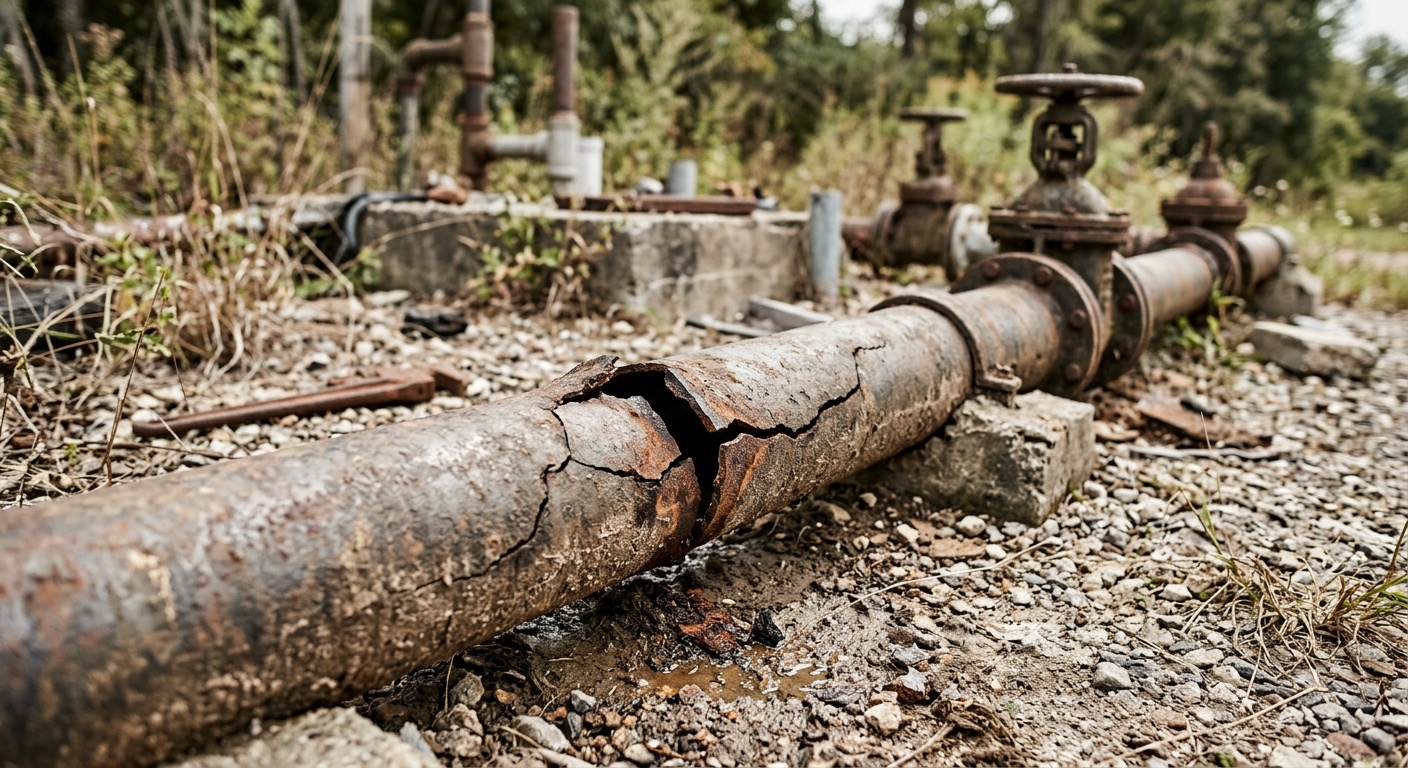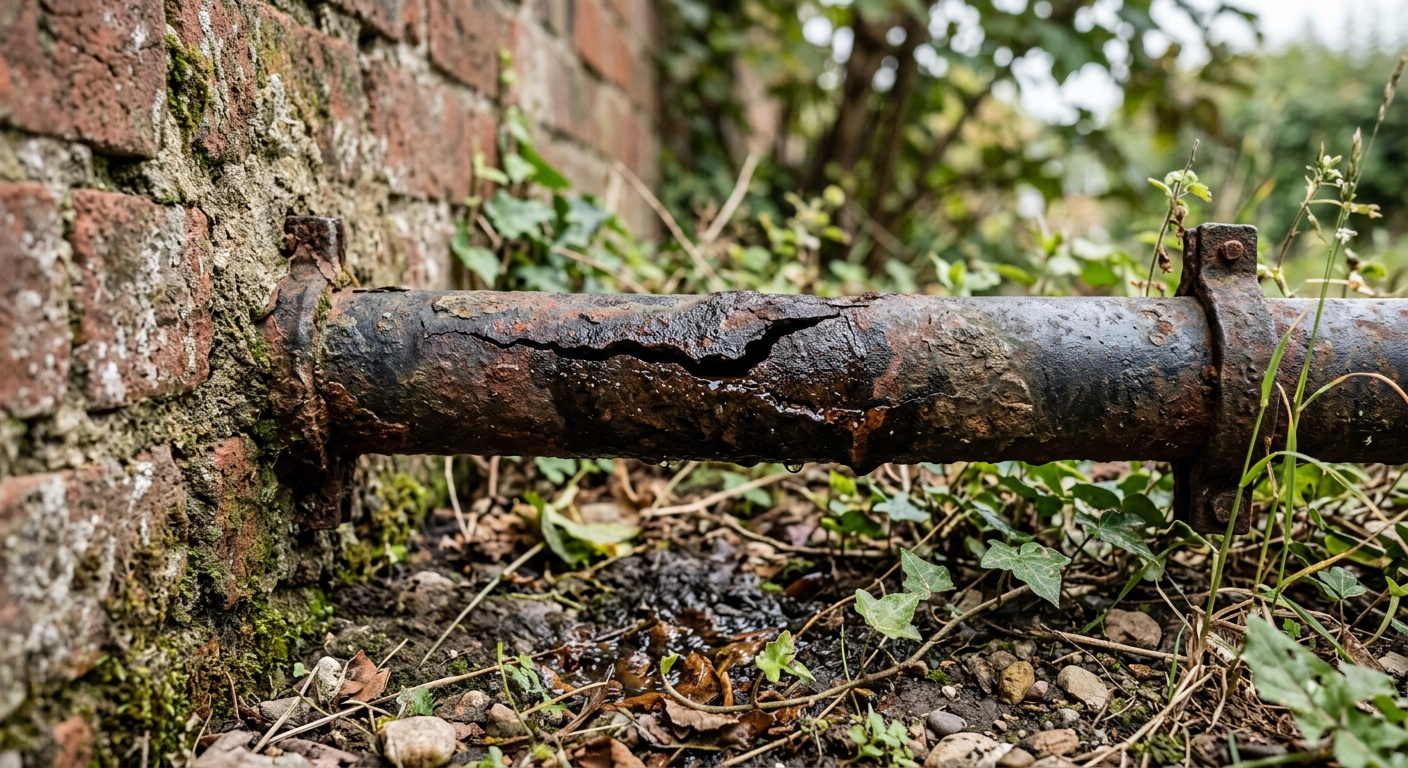
How to Prevent Pipe Bursts During San Antonio Heat Waves
Reading time: 12 minutes
It’s August 2026, and San Antonio is locked in another relentless heat wave. The thermometer hasn’t dipped below 95°F in two weeks, your AC is running on overdrive, and somewhere beneath your foundation, a pipe is quietly reaching its breaking point. Sound familiar? You’re not alone — and more importantly, you don’t have to wait for the disaster to strike before taking action.
Most homeowners associate burst pipes with freezing winters, not scorching Texas summers. But here’s the straight talk: extreme heat is just as dangerous to your plumbing system as extreme cold, and in a city like San Antonio — where summer temperatures routinely shatter records — understanding how heat affects your pipes is one of the most practical things you can do to protect your home.
This guide cuts through the noise and gives you a strategic, actionable roadmap for keeping your pipes intact, your water pressure steady, and your repair bills firmly in the “never happened” column.
Table of Contents
- Why Heat Waves Cause Pipe Bursts in San Antonio
- Warning Signs Your Pipes Are Under Heat Stress
- Core Prevention Strategies for San Antonio Homeowners
- Understanding Pipe Materials and Their Heat Tolerance
- Heat Stress Risk Comparison by Pipe Type
- Real Scenarios: San Antonio Homeowners and Heat Damage
- San Antonio Heat Wave Impact: A Visual Overview
- Frequently Asked Questions
- Your Summer-Proof Plumbing Action Plan
Why Heat Waves Cause Pipe Bursts in San Antonio
San Antonio’s climate is no joke. In 2025, the city experienced 47 consecutive days above 100°F — a record that broke the previous 2023 benchmark. The National Weather Service projects that by 2027, San Antonio’s summer heat index could average above 108°F during peak months. That’s not just uncomfortable for humans; it’s structurally punishing for your home’s plumbing infrastructure.
So how exactly does heat cause pipes to burst? The mechanism is more nuanced than most people realize, and it operates through three primary pathways:
Thermal Expansion and Ground Movement
When temperatures soar, materials expand. Metal pipes — including copper and galvanized steel — expand significantly under sustained heat. In extreme cases, this expansion creates stress at joints and fittings, which are the weakest points in any plumbing system. San Antonio’s clay-heavy soil compounds this problem dramatically. As the soil dries out and contracts during prolonged heat waves, it shifts — sometimes inches in a single season. Underground pipes that were perfectly aligned can suddenly find themselves bent, compressed, or subjected to shear forces they were never designed to handle.
According to the Texas Water Development Board’s 2025 Infrastructure Report, soil movement-related pipe damage accounts for approximately 34% of all residential plumbing failures in the Greater San Antonio area during summer months — a figure that has risen 18% over the past five years alongside worsening drought conditions.
Pressure Surges from Municipal Supply Systems
During a heat wave, water demand across San Antonio spikes dramatically. Everyone is irrigating, filling pools, running sprinklers, and letting faucets drip. The San Antonio Water System (SAWS) ramps up pressure to maintain supply across the city, and those pressure fluctuations travel straight into your home’s pipes. When a system already stressed by heat expansion suddenly receives a pressure surge, the combination can be catastrophic — particularly at older joints or corroded sections.
Direct Sun Exposure on Above-Ground Lines
Outdoor faucets, irrigation lines, pool plumbing, and any pipes running through unconditioned spaces like attics or crawl spaces are exposed to direct thermal stress. Attic temperatures in San Antonio homes during July and August 2025 were recorded at an average of 148°F — nearly 50 degrees higher than outdoor ambient temperatures. PVC pipes in these environments can soften, warp, or develop micro-fractures that eventually fail under normal water pressure.
Warning Signs Your Pipes Are Under Heat Stress
Early detection is everything. A pipe that’s beginning to fail gives you signals — if you know what to look for. Here are the critical indicators that your plumbing is struggling through a San Antonio summer:
- Unexplained drops in water pressure — If your shower suddenly feels weaker with no obvious reason, a developing leak or partial blockage may be to blame.
- Discolored or rusty water — Heat accelerates corrosion inside older steel pipes. Brown or orange-tinged water is a red flag.
- Visible pipe sweating or moisture — Condensation on exterior pipes during hot, humid weather can indicate temperature differentials that stress pipe walls.
- Wet spots in your yard — Soft, unusually green patches in your lawn during a drought are a classic indicator of an underground leak.
- Higher-than-normal water bills — A sudden spike in your SAWS bill with no change in usage habits is one of the most reliable early warning signs of a hidden leak.
- Cracking or bubbling in drywall — If pipes run inside walls and begin leaking, the first visible signs are often cosmetic damage to the wall surface.
- Hissing or gurgling sounds — Unusual sounds from within your walls or floors, especially during or after peak heat hours, may indicate pipe stress or active leakage.
Pro Tip: Take a photo of your water meter at night before bed during a heat wave, then check it again in the morning before any water is used. If the numbers have changed, you have a leak somewhere in your system — even if you can’t see it yet.
Core Prevention Strategies for San Antonio Homeowners
Now we get to the actionable part — the specific, implementable steps that separate homeowners who react to plumbing disasters from those who prevent them entirely. Think of this as your heat wave defense protocol.
Insulate Exposed Pipes — Even in Summer
Pipe insulation isn’t just for winter. Wrapping exposed outdoor pipes and those running through your attic with foam pipe insulation sleeves (available at any San Antonio hardware store for roughly $0.50–$1.50 per linear foot) dramatically reduces the thermal stress they experience during heat waves. For attic pipes, consider reflective foil insulation, which deflects radiant heat rather than just absorbing it.
Key areas to insulate in a San Antonio home:
- All pipes in unconditioned attic space
- Outdoor hose bibs and faucets
- Irrigation system main lines
- Pool equipment supply lines
- Pipes along exterior garage walls
Manage Your Water Pressure Proactively
Install a pressure-reducing valve (PRV) if you don’t already have one. San Antonio homes should maintain water pressure between 40–60 PSI. During summer demand peaks, municipal pressure can reach 80–100 PSI or higher, which is well beyond what most residential plumbing is rated to handle long-term. A PRV typically costs $200–$400 installed and can add years to your entire plumbing system’s lifespan. You can purchase a basic pressure gauge at any hardware store for under $15 to test your current levels.
Maintain Soil Moisture Around Your Foundation
This one surprises most homeowners, but it’s crucial in San Antonio’s expansive clay soil environment. Keeping the soil around your foundation consistently moist — not waterlogged, just consistently damp — during heat waves dramatically reduces the ground movement that stresses underground pipes. A soaker hose system placed 12–18 inches from your foundation perimeter and run for 20–30 minutes every two to three days during extended heat events can make a significant difference. This simple step also protects your foundation itself, making it doubly worthwhile.
Schedule a Pre-Summer Plumbing Inspection
The best time to catch a developing problem is before the heat arrives. Schedule a plumbing inspection in late April or early May — before peak summer heat — so a licensed plumber can check for corrosion, joint integrity, pressure levels, and any signs of pipe degradation. San Antonio plumbers like Santec Plumbing Services and Tiger Plumbing offer seasonal inspection packages that typically run $150–$300 and include pressure testing and visual assessment of key vulnerable areas.
Upgrade Outdated Pipe Materials
If your San Antonio home was built before 1985, there’s a reasonable chance you still have galvanized steel or even older cast iron pipes in some sections. These materials corrode from the inside out and are far more susceptible to heat-related failure than modern alternatives. Re-piping a typical San Antonio home with PEX (cross-linked polyethylene) tubing costs approximately $4,000–$8,000, which sounds significant until you weigh it against the average cost of a major pipe burst — which, including water damage restoration, typically runs $15,000–$40,000 in the San Antonio area, according to 2025 HomeAdvisor data.
Use Smart Water Monitoring Technology
In 2026, there’s genuinely no excuse not to have a smart water monitor on your main supply line. Devices like the Flo by Moen or Phyn Plus 2 continuously monitor flow rates, pressure, and temperature, and can automatically shut off your water supply the moment they detect an anomaly — including the early pressure signature of a developing pipe failure. These devices typically cost $500–$700 installed and many San Antonio homeowners insurance policies now offer premium discounts for having them.
Understanding Pipe Materials and Their Heat Tolerance
Not all pipes respond to heat the same way. Understanding what’s running through your walls is step one in assessing your vulnerability and planning targeted upgrades.
Copper pipes are excellent heat conductors, which means they transfer and dissipate heat relatively well. However, the joints — where copper is soldered together — are the weak link. Sustained heat causes expansion and contraction cycles that can eventually crack solder joints, particularly in older homes where the original solder may have degraded over decades.
PVC (Polyvinyl Chloride) pipes have a heat distortion temperature of approximately 140°F — which sounds safe until you consider that San Antonio attic temperatures routinely exceed this threshold. PVC used in outdoor or attic applications can soften, warp, and eventually fail. For outdoor applications, CPVC (Chlorinated PVC), which has a significantly higher heat tolerance, is a better choice.
PEX tubing is the modern gold standard for residential plumbing in hot climates. It’s flexible, which means it handles both expansion and ground movement far better than rigid pipe materials. It’s also inherently resistant to corrosion and can withstand temperatures up to 200°F in most formulations. If you’re upgrading any portion of your plumbing, PEX is the material to ask for.
Galvanized steel is the problem child of pipe materials. It corrodes internally, reducing flow over time, and that corrosion accelerates significantly in hot conditions. If your home still has galvanized steel supply lines, prioritizing their replacement should be at the top of your home maintenance list.
Heat Stress Risk Comparison by Pipe Type
| Pipe Material | Max Safe Temp | Heat Expansion Risk | Corrosion Risk in Heat | Recommended for SA Homes? |
|---|---|---|---|---|
| PEX Tubing | 200°F | Low (flexible) | Very Low | ✅ Highly Recommended |
| Copper | 400°F (pipe) / joint risk above 150°F | Moderate (joint stress) | Low | ✅ Yes, with joint inspection |
| CPVC | 180°F | Low to Moderate | Low | ✅ Good for interior use |
| PVC | 140°F | High in attic/outdoor use | Low | ⚠️ Avoid in attics/outdoors |
| Galvanized Steel | Variable (corrosion-dependent) | High (rigid + corrosion) | Very High | ❌ Replace immediately |
Real Scenarios: San Antonio Homeowners and Heat Damage
Numbers and technical details are helpful, but nothing illustrates risk quite like real-world examples. Here are two composite scenarios based on the types of plumbing failures documented by San Antonio area plumbers during recent heat events.
Scenario One: The Attic PVC Failure in Helotes
A family in Helotes — a northwestern San Antonio suburb — discovered water pouring through their master bedroom ceiling on a Sunday afternoon in July 2025. The culprit? A 12-year-old PVC cold water line running through an unconditioned attic space. The line had developed micro-fractures over multiple heat seasons, and on the hottest day of that summer (108°F outdoor, estimated 155°F attic), the pipe finally gave way. The resulting water damage — soaked insulation, warped ceiling joists, damaged drywall, and destroyed master bedroom furniture — totaled over $28,000 in repairs. A pre-summer inspection the previous April, estimated at $200, would have flagged the degrading PVC and enabled a simple re-route with CPVC at a cost of roughly $600.
Scenario Two: The Smart Monitor Success Story in Stone Oak
Contrast that with a homeowner in Stone Oak who installed a Flo by Moen smart water monitor in early 2026. During a 12-day heat wave in June, the device detected an abnormal micro-flow pattern at 2:30 AM — too small to notice through any visible sign, but consistent with a hairline fracture in an underground supply line. The system sent an alert to the homeowner’s phone and automatically shut off the main water supply. A plumber dispatched the next morning confirmed a developing crack in the copper main line where it passed through a particularly dry soil section near the driveway. The repair cost $850. Without the monitor, that hairline crack would almost certainly have become a full rupture within days — potentially while the family was away on a planned vacation — with consequences measured in tens of thousands of dollars.
The lesson here is straightforward: proactive investment in monitoring and inspection pays for itself many times over in a climate like San Antonio’s.
San Antonio Heat Wave Impact: Plumbing Failure Risk by Factor
The following chart illustrates the relative contribution of different risk factors to heat-related pipe failures in San Antonio residential properties, based on aggregated plumbing service data from 2025 SAWS maintenance records and local plumbing industry reports.
Contributing Factors to Heat-Related Pipe Failures in San Antonio (2025 Data)
Source: San Antonio area plumbing service aggregated data, 2025. Composite estimates based on regional industry reporting.
Additional Heat-Season Maintenance Actions Worth Taking
Beyond the major strategies already covered, there are several smaller but meaningful maintenance actions that add up to meaningful protection over a San Antonio summer.
Practical Maintenance Checklist for Heat Season
- Know your main water shutoff location — In an emergency, every second counts. Know exactly where your main shutoff is and ensure it operates freely. Many San Antonio homeowners discover their shutoff valve is seized or corroded only when they desperately need to use it.
- Reduce outdoor watering pressure — Run your irrigation system at slightly reduced pressure during peak heat periods to lower the overall stress on your outdoor plumbing network.
- Check washing machine hoses — These rubber or braided steel hoses are often overlooked. Heat degrades rubber hoses significantly — inspect for bulging, cracking, or moisture near connections and replace any hose more than five years old.
- Flush your water heater — Sediment buildup in your water heater tank increases pressure inside the unit, which is compounded by high ambient temperatures. An annual flush (or twice-yearly in San Antonio’s hard water environment) keeps it operating safely and efficiently.
- Test your pressure relief valve — Your water heater’s temperature and pressure relief (T&P) valve is your last line of defense against an overpressured tank. If it hasn’t been tested in over a year, have a plumber check it during your seasonal inspection.
- Shade exposed outdoor plumbing where possible — A simple shade cloth or even a strategically placed shrub can reduce the direct sun exposure on outdoor hose bibs, pool equipment, and irrigation headers, meaningfully reducing their operating temperature.
Frequently Asked Questions
Can heat waves really burst pipes in San Antonio, or is burst pipe risk mainly a winter problem?
This is one of the most common misconceptions about plumbing in Texas. While pipe bursts from freezing — like those that occurred during the 2021 winter storm — generate more dramatic headlines, heat-related pipe failures are actually more common on an annual basis in San Antonio. The combination of extreme soil movement, thermal expansion, elevated municipal water pressure during high-demand periods, and degraded pipe materials means summer is genuinely the more consistent threat for most San Antonio homeowners. The 2025 SAWS data confirms that heat-season plumbing service calls consistently outnumber cold-season calls in non-freeze years, which represent the vast majority of San Antonio winters.
How much does it typically cost to make a San Antonio home heat-resistant from a plumbing perspective?
Costs vary significantly based on your home’s age, current pipe materials, and the scope of work needed. For a newer home with modern PEX plumbing, a comprehensive heat-season preparation might cost as little as $300–$600 (inspection, insulation of exposed pipes, PRV installation if not present, and a smart water monitor). For an older home requiring re-piping of galvanized steel sections, the investment can reach $5,000–$10,000 — but this is a one-time capital expense that also increases your home’s value. In virtually every scenario, the preventive cost is a fraction of the average pipe burst remediation cost of $15,000–$40,000 in the San Antonio market.
What should I do immediately if I suspect a heat-related pipe leak but can’t find the source?
First, shut off your main water supply valve to stop any active flow and prevent further damage. Then call a licensed San Antonio plumber — preferably one equipped with leak detection technology such as acoustic leak detection or thermal imaging cameras, both of which are excellent for finding hidden leaks in walls and underground without destructive excavation. While waiting, document any visible damage with photographs for insurance purposes and contact your homeowner’s insurance carrier to report the potential claim. Do not attempt to re-pressurize the system or restore water service until a plumber has located and assessed the failure point. Many San Antonio plumbers, including Frontier Plumbing and Blue Planet Plumbing, offer 24-hour emergency response during summer heat events.
Your Summer-Proof Plumbing Action Plan
Here’s where everything comes together. San Antonio’s heat isn’t getting milder — and your plumbing strategy needs to reflect the climate reality of 2026 and beyond. The good news is that with the right preparation, you can face even the most brutal Texas summer with genuine confidence.
Here is your immediate implementation roadmap:
- This week: Locate your main water shutoff valve, test your water pressure with a $15 gauge, and perform a visual inspection of all accessible pipes in your attic, garage, and around your exterior faucets.
- Within 30 days: Insulate all exposed pipes in vulnerable areas, schedule a professional plumbing inspection, and install a smart water monitor on your main supply line.
- Within 90 days: Have a PRV installed or tested, implement a foundation moisture program with a soaker hose, and assess whether any sections of your plumbing use outdated materials that warrant upgrading.
- Annually: Flush your water heater, replace any rubber washing machine hoses older than five years, and schedule a pre-summer plumbing inspection each April or May — before the heat arrives rather than after it does.
- Long term: If your home has galvanized steel or aged PVC piping, develop a phased re-piping plan with a licensed San Antonio plumber. Even replacing one section per year is meaningful progress toward a fully resilient system.
As climate patterns continue to intensify across South Texas, the homeowners who treat plumbing maintenance as a proactive discipline — rather than a reactive emergency response — will save thousands of dollars, avoid enormous stress, and maintain the structural integrity of what is likely their largest financial asset.
So here’s the question worth sitting with: If a heat wave started tomorrow, would your plumbing be ready? If the honest answer is “I’m not sure,” that’s your starting point — and the steps above are exactly where to begin.