San Antonio Summer Plumbing Tips for Overheated Texas Homes
Reading time: 12 minutes
Every summer in San Antonio feels like a test of endurance — and not just for you. Your home’s plumbing system is quietly fighting the same battle. When temperatures push past 105°F in July and August 2026, pipes expand, water heaters overwork, and hidden leaks turn into expensive emergencies almost overnight. If you’ve ever come home to a flooded bathroom or a mysteriously skyrocketing water bill during peak summer heat, you already know the stakes.
Here’s the honest truth: most San Antonio homeowners don’t think about their plumbing until something goes wrong. But a handful of targeted, proactive steps — taken before or during the summer months — can save you thousands of dollars and an enormous amount of stress. This guide cuts through the noise and gives you exactly what you need to know, whether you’re a first-time homeowner in Stone Oak or you’ve been navigating Bexar County summers for decades.
Let’s turn the heat from your enemy into a manageable factor you’re fully prepared for.
Table of Contents
- Why San Antonio Summers Are Uniquely Brutal on Plumbing
- Top Summer Plumbing Problems in Texas Homes
- Managing Your Water Heater in Extreme Heat
- Protecting Pipes, Pressure, and Hidden Leaks
- Hard Water, Mineral Buildup, and What It’s Costing You
- DIY Quick Fixes vs. When to Call a Professional
- Seasonal Plumbing Maintenance Comparison
- San Antonio Summer Plumbing Risk Chart
- Frequently Asked Questions
- Your Summer Plumbing Survival Checklist
Why San Antonio Summers Are Uniquely Brutal on Plumbing
San Antonio sits in a climate zone that combines scorching dry heat with sporadic intense humidity, and the combination creates a specific kind of stress on residential infrastructure. In 2026, NOAA climate data indicates that the South Texas region has experienced its third consecutive year of above-average summer temperatures, with June through September consistently averaging 4–6°F above the historical mean. That’s not just uncomfortable — it’s structurally significant.
When the ground heats up to extreme temperatures (soil surface temperatures in San Antonio have been recorded above 140°F in direct sun during July), the ground itself shifts. This soil movement — sometimes called “soil shrinkage” or “clay heave” — is particularly pronounced in the expansive black clay soils that dominate much of Bexar County. Underground pipes shift with the soil. Joints flex. Seals weaken. What starts as a micro-crack in a fitting can become a full-blown leak within weeks.
On top of that, San Antonio’s municipal water supply draws heavily from the Edwards Aquifer, which delivers water that is notably mineral-rich. This hard water accelerates scale buildup inside pipes, water heaters, and fixtures — a process that is significantly sped up by higher water temperatures during summer months. The result: appliances fail earlier, efficiency drops, and repair costs climb.
The Compounding Effect of Heat and High Usage
Summer doesn’t just bring heat — it brings higher water usage. According to San Antonio Water System (SAWS) data from 2025, residential water consumption increases by an average of 38% during the June–August period compared to winter months. Sprinkler systems running daily, more frequent showers, kids home from school, and backyard entertaining all add up to sustained pressure on a plumbing system that’s already under thermal stress.
Think of it this way: your plumbing is like a car engine. Running it hard in cool weather is one thing. Running it hard in extreme heat while also demanding more from it is when breakdowns happen. The summer season in San Antonio essentially does both simultaneously.
Top Summer Plumbing Problems in Texas Homes
Before diving into solutions, it helps to know exactly what you’re up against. These are the most commonly reported plumbing issues during San Antonio summers, based on service call data compiled by local plumbing contractors in 2025–2026:
- Slab leaks: Pipes embedded in or beneath concrete foundations crack due to soil movement and thermal expansion, leading to costly and disruptive repairs.
- Water heater failures: Already-hot groundwater means water heaters run at higher baseline temperatures, increasing wear on heating elements and pressure relief valves.
- Toilet running constantly: Heat causes rubber flappers to warp, leading to phantom flushes and wasted water.
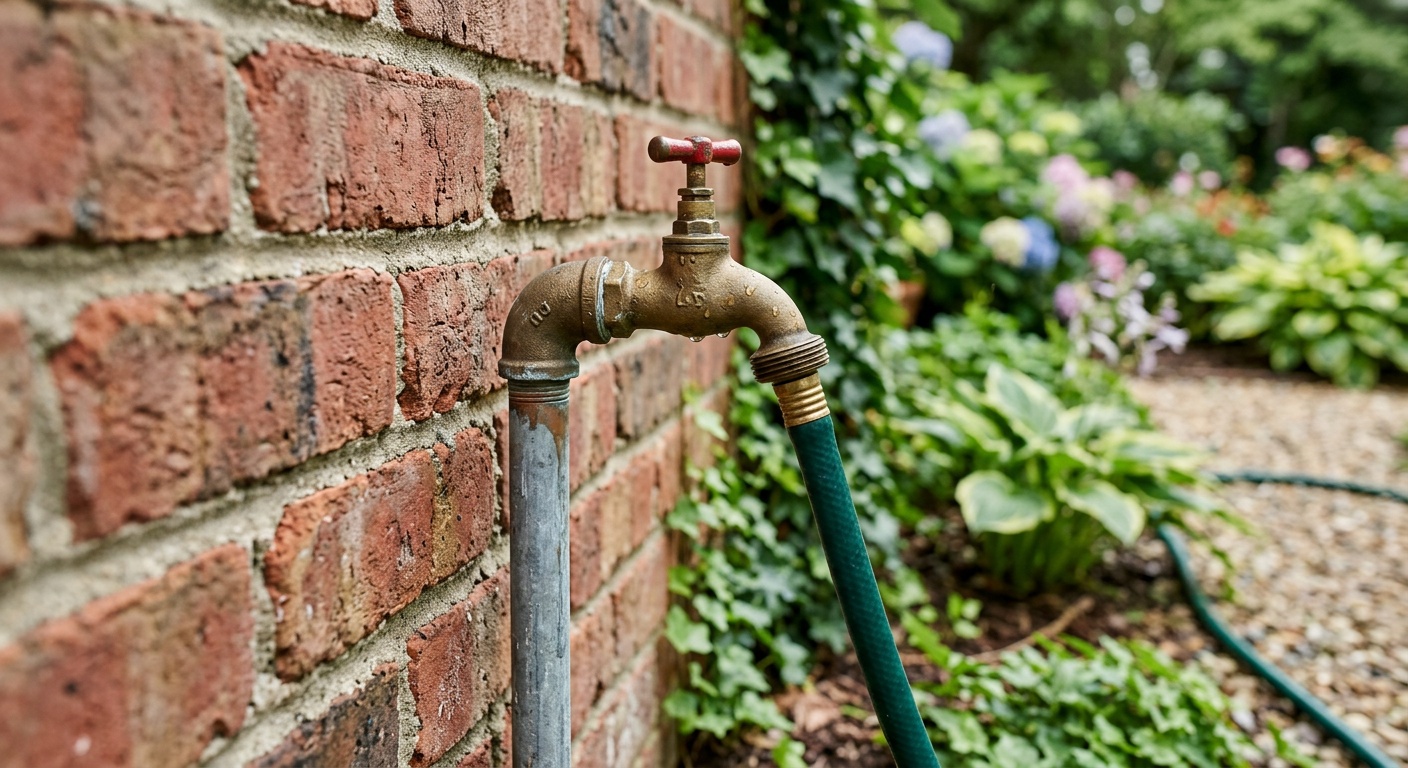
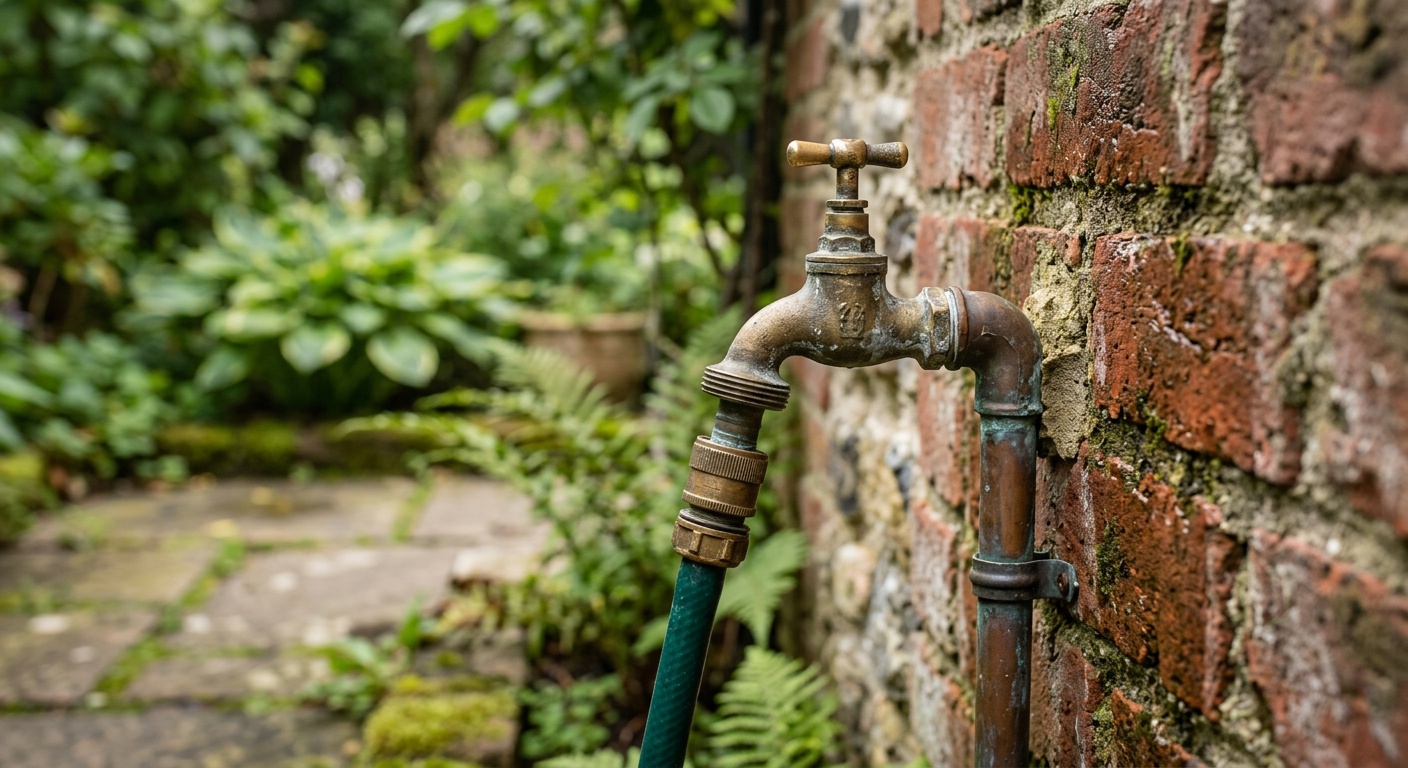
- Outdoor hose bib and irrigation leaks: UV degradation and heat cycles cause fittings and hose connections to crack or loosen.
- Drain line blockages: Summer cooking and increased household activity accelerate grease and debris accumulation in kitchen drains.
- Low water pressure: Neighborhood-wide demand spikes during evenings when residents water lawns simultaneously, compounding individual home pressure issues.
A Real-World Example: The Rodriguez Family in Alamo Heights
Consider the experience shared by a homeowner in Alamo Heights during the summer of 2025. The Rodriguez family noticed a subtle musty smell near their hallway bathroom in early July. They assumed it was a ventilation issue and ignored it for three weeks. By the time they called a plumber, a slow slab leak beneath their master bath had saturated approximately 40 square feet of subfloor and required not just plumbing repairs but also mold remediation — a combined bill exceeding $9,400. Their plumber later told them that early detection (dampness at baseboards, slight warm spots on tile flooring) could have led to a simple pipe repair costing under $800.
The lesson here isn’t to scare you — it’s to show that the gap between a manageable problem and a catastrophic one is often just a few weeks of inattention during the hottest months.
Managing Your Water Heater in Extreme Heat
Your water heater works harder in summer than you might expect — and paradoxically, not in the way you’d assume. The incoming cold water supply in San Antonio during summer months is anything but cold. Ground temperatures heat up the water in supply lines, meaning your water heater receives water that may already be 75–85°F, compared to 55–65°F in winter. This seems like it should reduce workload, but it actually creates a different set of problems.
Higher incoming water temperatures mean the thermostat cycles on and off more frequently in short bursts rather than in sustained heating cycles. This on-off cycling accelerates wear on heating elements and the anode rod — the sacrificial metal rod inside your tank that prevents corrosion. In extreme San Antonio heat conditions, anode rods that might last 4–5 years in a cooler climate can show significant depletion in 2–3 years.
What You Should Do Right Now
Here’s a practical summer water heater checklist that takes less than an hour:
- Set your thermostat to 120°F. The Department of Energy recommends this as the sweet spot — hot enough to prevent bacterial growth, low enough to reduce energy consumption and thermal stress. Many San Antonio homes still have water heaters set at 140°F from factory defaults.
- Flush sediment annually — preferably before summer peaks. Mineral-rich Edwards Aquifer water deposits sediment at the bottom of your tank at an accelerated rate. Flushing 1–2 gallons from the drain valve every spring removes buildup that acts as an insulating layer, forcing your heater to work harder and longer.
- Test the pressure relief valve. This safety valve prevents dangerous pressure buildup. Lift the lever briefly to ensure it releases water and snaps back cleanly. If it drips afterward, replace it — they cost about $15–$30 and can be swapped out in under 30 minutes.
- Inspect the first 6 inches of inlet and outlet pipes for corrosion or discoloration, which indicates developing leaks at connections.
- Check the unit’s age. If your water heater is approaching or past 10 years old, a summer surge in demand is statistically the most likely time for it to fail. A proactive replacement on your schedule is far less disruptive than an emergency replacement during a July heat wave.
Pro Tip: Tankless water heaters have seen a significant uptick in San Antonio installations in 2025–2026, driven partly by SAWS rebate programs and partly by their superior performance in high-mineral-water environments. They eliminate the sediment buildup problem entirely and tend to have a longer service life in the Texas Hill Country climate.
Protecting Pipes, Pressure, and Hidden Leaks
While winter pipe freezing gets all the headlines, summer creates its own structural threats to your pipe network — particularly in older San Antonio homes built before the 1980s, many of which still have galvanized steel supply lines that have been quietly corroding for decades.
Thermal expansion is a real phenomenon inside your home. Copper pipes, which are common in homes built from the 1960s through the 1990s in San Antonio, expand measurably at high temperatures. A 100-foot run of copper pipe expands approximately 1.1 inches when temperature increases by 100°F. Inside a hot attic where temperatures routinely exceed 150°F in summer, this expansion and contraction cycles daily, stressing joints and fittings over time.
Signs of Hidden Leaks to Watch For
- Unexplained increase in water bills (more than 10–15% month-over-month without behavioral changes)
- Sound of running water when all fixtures are off
- Warm or damp spots on floors, especially on slab foundations
- Reduced water pressure at specific fixtures
- Discoloration or soft spots in drywall near plumbing walls
One practical and free leak detection method: locate your water meter (usually near the curb in a concrete box), turn off all water in the house including the ice maker and irrigation system, and watch the meter dial for 15–20 minutes. Any movement indicates water loss somewhere in your system. SAWS has reported that approximately 1 in 5 San Antonio homes has an undetected leak consuming more than 10 gallons per day — waste that adds up to both higher bills and greater strain on the system.
For those dealing with the additional challenge of indoor heat management alongside plumbing issues, there are smart strategies available. If your HVAC is struggling and you’re managing a hot room during repairs or renovation, learning how to keep room cool without ac can make the process significantly more bearable while work is being done.
Hard Water, Mineral Buildup, and What It’s Costing You
San Antonio consistently ranks among the top five U.S. cities for water hardness, with readings typically ranging from 200 to 400+ milligrams per liter (mg/L) of calcium carbonate — well above the EPA’s “moderately hard” threshold of 120 mg/L. This isn’t a water quality or safety issue per se, but it has real and measurable financial consequences for homeowners.
According to a 2024 study by the Water Quality Research Foundation, homes with untreated hard water can see water heater energy efficiency decline by as much as 29% due to scale buildup on heating elements. Showerheads lose up to 75% of their flow rate after 18 months of exposure to San Antonio’s water hardness levels. Dishwashers and washing machines experience an average service life reduction of 30–40% compared to households using softened water.
In summer, all of this is amplified. Hotter water temperatures accelerate the precipitation of calcium and magnesium deposits. The inside of your pipes can develop scale layers 2–3x faster during July and August than during winter months.
Practical Solutions for Hard Water in San Antonio
- Whole-house water softeners: Salt-based ion exchange systems remain the gold standard. SAWS offers a rebate program in 2026 for high-efficiency softeners that minimize salt and water waste during regeneration cycles.
- Inline scale inhibitors: A lower-cost alternative that uses template-assisted crystallization (TAC) technology to prevent scale from adhering to surfaces. These require no salt, no electricity, and minimal maintenance — a solid option for renters or those in smaller homes.
- Citric acid descaling: For existing appliances showing scale buildup, periodic flushing with diluted citric acid solution (available at hardware stores for under $10) can restore flow rates and efficiency without harsh chemicals.
- Showerhead filters: A $20–$40 investment that meaningfully extends showerhead life and improves shower experience — particularly worthwhile in San Antonio’s summer heat when shower frequency increases.
DIY Quick Fixes vs. When to Call a Professional
There’s a meaningful difference between empowering yourself to handle manageable maintenance tasks and overreaching into repairs that require licensing, expertise, and specialized equipment. In Texas, plumbing work on water distribution systems requires a licensed plumber for anything beyond fixture replacement — and for good reason. Improper repairs on pressurized systems can create dangerous conditions or void your homeowner’s insurance coverage.
Here’s a clear breakdown of what falls into each category:
Confident DIY Territory
- Replacing toilet flappers, fill valves, and flush handles
- Cleaning aerators on faucets and showerheads
- Replacing a standard showerhead
- Unclogging drains using a plunger or hand auger
- Applying thread seal tape (Teflon tape) to threaded garden hose connections
- Adjusting water heater thermostat settings
- Testing and resetting a GFCI outlet near a bathroom fixture
Call a Licensed Plumber For These
- Any suspected slab leak (requires specialized acoustic detection equipment)
- Water heater replacement or installation
- Pipe repairs inside walls or under slabs
- Pressure reducing valve (PRV) inspection or replacement
- Irrigation system backflow preventer testing (legally required annually in San Antonio)
- Any work involving your main shut-off valve or meter connection
- Persistent low pressure that doesn’t resolve after aerator cleaning
Quick Scenario: You’ve noticed your guest bathroom toilet running for 30 seconds after every flush. This is almost certainly a worn flapper — a $5–$10 part and a 10-minute fix. But if you’ve replaced the flapper twice in one summer and the problem persists, that points to a warped flush valve seat requiring more significant repair. Same symptom, very different solution. Know when to escalate.
Seasonal Plumbing Maintenance Comparison
| Maintenance Task | Spring | Summer | Fall | Winter |
|---|---|---|---|---|
| Water heater flush & inspection | ✅ Ideal | ⚠️ If skipped in spring | ✅ Good | ❌ Low priority |
| Leak detection sweep | ✅ Good | ✅ Critical | ✅ Good | ⚠️ Monitor |
| Irrigation system check | ✅ Ideal | ✅ Monthly | ⚠️ Winterize | ❌ Off season |
| Aerator & showerhead cleaning | ✅ Ideal | ⚠️ As needed | ✅ Good | ⚠️ As needed |
| PRV pressure test | ✅ Ideal | ✅ Important | ⚠️ If not done | ❌ Low priority |
San Antonio Summer Plumbing Risk Index by Category
Based on 2025–2026 service call data from Bexar County licensed plumbers, here’s a visualization of relative risk levels for different plumbing issues during summer months:
Summer Plumbing Risk Level (San Antonio, 2026)
*Percentage reflects proportion of annual service calls occurring during June–September period.
Frequently Asked Questions
Why does my water pressure drop every evening during summer in San Antonio?
This is a very common experience, and the culprit is almost always peak demand on the municipal distribution system. Between roughly 6 PM and 9 PM during summer months, a large percentage of San Antonio homeowners simultaneously activate irrigation systems, take showers, and run appliances. This concentrated demand temporarily reduces pressure throughout local supply zones. If your pressure is consistently below 40 PSI or drops to unusable levels, have your pressure reducing valve (PRV) — typically located where the main line enters your home — inspected by a licensed plumber. PRVs can malfunction with age, compounding the neighborhood-level pressure drops with a fixture-level restriction.
Is it safe to run my sprinkler system every day during a San Antonio summer?
From a plumbing standpoint, daily irrigation operation is generally safe as long as your system is functioning correctly and your backflow preventer is tested and certified (a legal requirement under San Antonio municipal code, enforced annually). The greater concern is efficiency: running sprinklers during peak sun hours (10 AM–4 PM) results in evaporation losses of 30–50%, meaning you’re taxing your plumbing system and water meter for far less landscaping benefit. SAWS’s WaterSaver program in 2026 recommends watering between 6–9 AM or after 8 PM and limiting cycles to 2–3 times per week even during extreme heat. This extends the lifespan of your irrigation valves and solenoids while meaningfully reducing water bills.
How do I know if I have a slab leak versus just a high water bill from summer usage?
The meter test described earlier in this article is your first and most accessible diagnostic tool — turn off everything, wait 15 minutes, and watch for meter movement. Beyond that, slab leaks often produce distinguishing symptoms: warm spots on tile floors (indicating hot water line rupture beneath the slab), the sound of running or hissing water when all fixtures are off, and foundation cracks appearing or widening rapidly. High bills from usage increases are typically explainable by behavior changes (more showers, irrigation), whereas unexplained increases — particularly in a home with stable household patterns — are a stronger indicator of a leak. When in doubt, a plumber can perform an electronic leak detection survey for $150–$300 that definitively locates any active underground leak without destructive investigation.
Your Summer Plumbing Survival Checklist: Stay Ahead of the Heat
San Antonio summers aren’t getting cooler — 2026’s forecast data confirms that homeowners will continue facing longer, more intense heat seasons for the foreseeable future. The plumbing challenges that come with this territory are real, but they’re also manageable with the right mindset and a proactive approach.
Here’s your immediate action checklist to implement this week:
- Run the meter test to rule out active leaks — 15 minutes, zero cost.
- Check your water heater thermostat and set it to 120°F if it isn’t already.
- Clean aerators and showerheads on all fixtures showing reduced flow.
- Inspect visible pipe connections in your attic, garage, and under sinks for corrosion, moisture, or discoloration.
- Schedule your backflow preventer test if it hasn’t been done yet in 2026 — this is legally required and protects your irrigation system investment.
- Note your current water bill as a baseline, and flag any month-over-month increase above 15% for investigation.
The homeowners who avoid catastrophic summer plumbing bills aren’t lucky — they’re simply paying attention. Each item on this checklist takes minutes, not hours, and the return on that investment is measured in thousands of dollars and immeasurable peace of mind.
As San Antonio continues to grow — with population projections showing Bexar County reaching 2.3 million residents by 2027 — municipal water infrastructure will face increasing stress, making individual home-level maintenance more important than ever. Your plumbing isn’t just a convenience; it’s a system worth protecting.
So here’s the question worth sitting with: When did you last genuinely inspect your home’s plumbing? If you can’t remember, this weekend might be exactly the right time to find out what the Texas summer heat has been quietly doing to your pipes.