Monthly Home Maintenance Checklist for Texas Homeowners
Reading time: 14 minutes
Ever stared at a leaky faucet in August heat, wondering how things got so out of hand? You’re in good company. Texas homeownership is uniquely rewarding — and uniquely demanding. Between scorching summers that crack caulk like dry earth, unpredictable freeze events that burst pipes, and humidity levels that invite mold into the quietest corners of your home, maintaining a Texas property requires a game plan that’s far more strategic than what works in, say, Ohio or Oregon.
Here’s the straight talk: home maintenance isn’t glamorous, but it is the single most powerful thing you can do to protect your investment. According to the Texas Real Estate Research Center, the average Texas home value rose approximately 4.2% in 2025, with the statewide median home price reaching $312,000. Letting preventable maintenance issues slide can cost you tens of thousands in repairs — and in resale value.
This guide is your practical, month-by-month roadmap. Whether you’ve just bought your first home in Round Rock or you’ve owned your San Antonio craftsman for fifteen years, this checklist gives you actionable steps organized by season, task type, and urgency — because Texas homes don’t follow national norms, and neither should your maintenance routine.
Table of Contents
- Why Texas Home Maintenance Is Different
- Month-by-Month Maintenance Breakdown
- Seasonal Deep Dives: What to Prioritize
- 3 Common Texas Maintenance Challenges (and How to Solve Them)
- Texas Home Maintenance Cost Snapshot
- Quick-Reference Maintenance Comparison Table
- Frequently Asked Questions
- Your Year-Round Texas Home Maintenance Roadmap
Why Texas Home Maintenance Is Different
Texas isn’t just a state — it’s five distinct climate zones packed into one. The Panhandle experiences harsh winters with heavy snow. Houston battles year-round humidity and tropical storms. El Paso deals with desert dryness and intense UV exposure. Austin and Dallas sit in the volatile “transition zone” where freezes, droughts, and hailstorms can occur within the same month.
This climatic diversity means a one-size-fits-all maintenance schedule simply doesn’t work. What protects a home in Amarillo can be irrelevant in Corpus Christi. The February 2021 Winter Storm Uri — which caused an estimated $195 billion in damages statewide — remains a stark reminder that Texas homeowners must plan for extreme edge cases, not just seasonal norms.
In 2026, Texas continues to face compounding pressures: aging infrastructure in established neighborhoods, rapidly expanding new developments with builder-grade materials that need early attention, and insurance markets tightening after repeated severe weather events. According to the Insurance Council of Texas, homeowners’ insurance premiums rose an average of 18% between 2024 and 2026 in high-risk counties. Proactive maintenance is no longer optional — it’s financially critical.
The Cost of Neglect vs. Prevention
Consider Maria, a homeowner in Katy, Texas. She skipped her annual HVAC service in spring 2024 because life was busy and the system “seemed fine.” By July, during a 108°F heat wave, her 8-year-old unit failed completely. Emergency replacement cost her $6,800. A routine tune-up would have cost $120 and likely caught the failing capacitor. That’s a 56-to-1 cost ratio — and that doesn’t account for the spoiled food, hotel nights, or stress involved.
Contrast that with David, a homeowner in Plano who started following a monthly maintenance routine in 2023. In three years, he’s spent approximately $1,400 in preventive maintenance and caught two potentially major issues early: a small roof flashing gap (fixed for $280) and a water heater anode rod nearing failure (replaced for $45). His home inspector gave his property top marks in 2025 when he refinanced, directly saving him money through a better appraisal.
The pattern is clear. Prevention wins — financially, practically, and emotionally.
Month-by-Month Maintenance Breakdown
January: Post-Holiday Reset and Winter Protection
January in Texas can bring anything from 70°F sunshine in South Texas to ice storms in the DFW Metroplex. Use this month to assess any damage from the holiday period and shore up winter vulnerabilities.
- Inspect pipe insulation — particularly in garages, attics, and exterior walls. Foam pipe insulation costs under $10 and takes minutes to install.
- Test your smoke and carbon monoxide detectors — replace batteries if they weren’t changed in October during National Fire Prevention Month.
- Check your water heater temperature — set it to 120°F. Higher settings increase energy costs and scalding risk; lower settings can encourage bacterial growth.
- Inspect attic insulation — R-38 is the recommended minimum for most Texas climate zones, but many older homes fall short. Inadequate insulation strains your HVAC and increases utility bills year-round.
- Clear gutters of winter debris — leaves and organic matter hold moisture, accelerating rust in metal gutters and wood rot in fascia boards.
- Check weatherstripping on doors and windows — hold a candle near edges on a cold day; flickering indicates air leaks.
February–March: Pre-Spring Preparation
February is transition time. Texas springs arrive early and dramatically — and with them come severe thunderstorms, hail, and tornado risks, particularly in Central and North Texas.
- Schedule your spring HVAC tune-up now — HVAC companies book up fast by April. A spring service should include coil cleaning, refrigerant check, filter replacement, and thermostat calibration.
- Inspect your roof — or hire a licensed roofing contractor for a professional inspection. Look for missing shingles, damaged flashing, and granule loss in gutters (a sign of aging shingles).
- Test your garage door’s auto-reverse feature — place a 2×4 flat on the ground under the door. If the door doesn’t reverse on contact, the mechanism needs adjustment.
- Flush your water heater — sediment buildup reduces efficiency and shortens lifespan. Connect a hose to the drain valve and flush until the water runs clear.
- Check window screens — repair or replace damaged screens before spring opens windows season. A torn screen is an open invitation for mosquitoes and Texas-sized beetles.
- Inspect crawl spaces and foundation vents — look for moisture accumulation, pest evidence, or cracks. Texas expansive clay soils mean foundation movement is common; early detection is key.
April–May: Spring Systems Check
Spring is peak maintenance season in Texas — and the best time to tackle exterior projects before the brutal summer heat makes outdoor work dangerous.
- Power wash exterior surfaces — driveways, siding, decks, and fences accumulate mold and mildew over the winter. A good wash also reveals surface damage that needs addressing.
- Inspect and reseal wood decks — UV radiation in Texas is intense. Unprotected wood decks typically need resealing every 12–18 months in high-sun areas.
- Service irrigation systems — turn on your sprinkler system and walk each zone. Check for broken heads, poor coverage, and controller programming. Adjust per seasonal watering guidelines from your local water utility.
- Clean dryer vents — lint-clogged dryer vents are a leading cause of house fires in Texas. Use a flexible brush kit to clean the full duct run, not just the exterior vent cap.
- Check exterior caulking around windows, doors, and penetrations — heat cycles cause caulk to crack. Silicone or siliconized latex caulk lasts longer in Texas climates than standard acrylic.
- Inspect attic for evidence of pest activity — spring is prime entry time for squirrels, rats, and wasps. Look for nesting material, droppings, or entry points at roof edges and vents.
June–August: Summer Survival Mode
Texas summers are relentless. Average high temperatures in Dallas and Austin routinely exceed 100°F from June through August in 2026, as heat season continues its trend of starting earlier and lasting longer. Your home’s systems are under maximum stress.
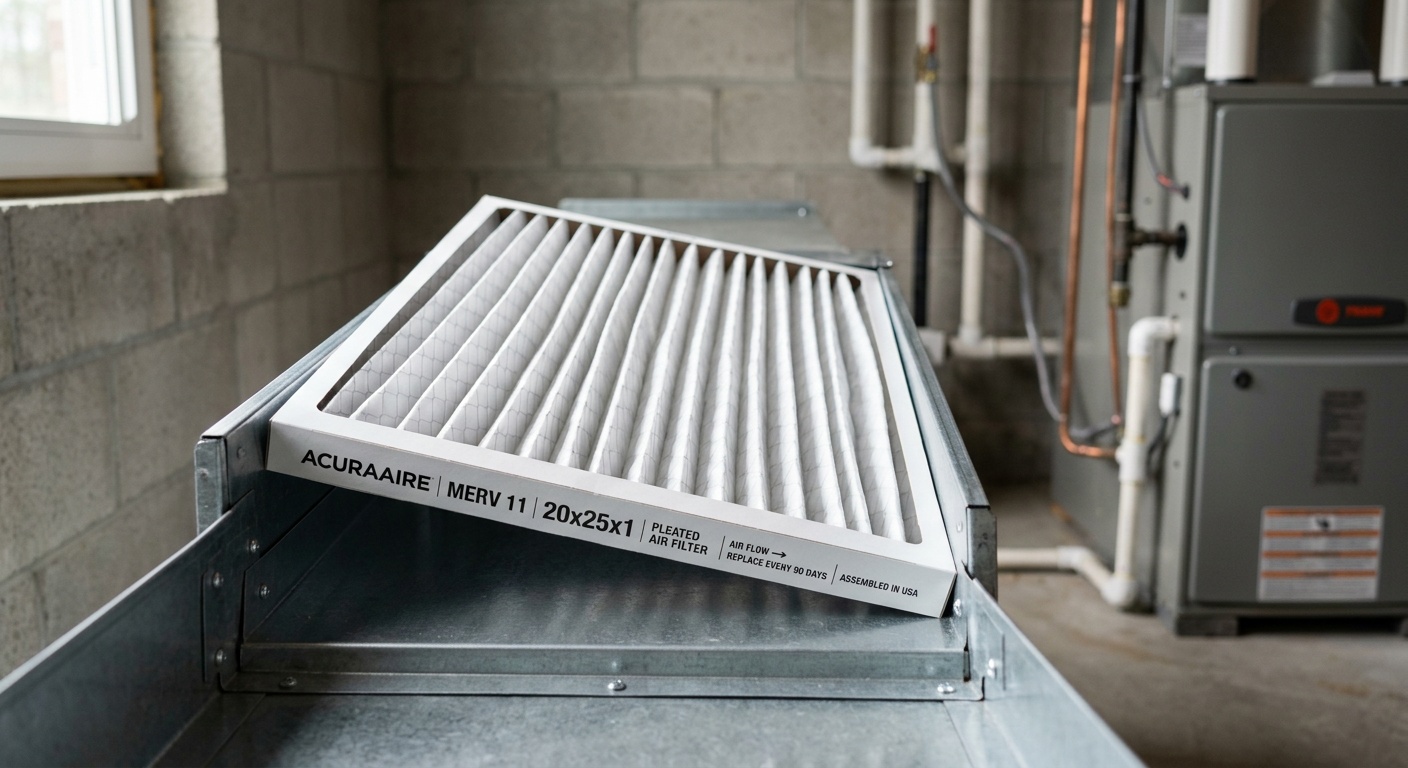
- Change HVAC filters monthly — during summer, your AC runs almost continuously. A clogged filter reduces airflow, spikes energy bills, and can freeze the evaporator coil.
- Monitor your electric bills — a sudden spike can indicate HVAC inefficiency, a failing compressor, or even a refrigerant leak. Don’t wait until the system fails.
- Check attic temperature and ventilation — attic temps in Texas summer can exceed 150°F. Ensure ridge vents, soffit vents, and attic fans are functioning properly. Excessive attic heat dramatically shortens roof shingle life.
- Inspect exterior paint — intense UV causes paint to chalk, fade, and crack. Touch up bare spots before they allow moisture intrusion.
- Water your foundation — this is a uniquely Texas task. Expansive clay soils shrink dramatically in drought conditions, causing foundation movement. A soaker hose system around the perimeter, running 2–3 times weekly during drought, can prevent costly foundation repairs.
- Clean refrigerator coils — dusty condenser coils make your refrigerator work harder in already-hot conditions. Pull it out and vacuum the coils from the back or bottom every 6 months.
September–October: Fall Prep Before Winter Arrives
Fall arrives late in Texas but signals critical prep time. October is arguably the most important maintenance month of the year — you have comfortable temperatures and a closing window before winter risk season.
- Schedule a furnace inspection — have an HVAC technician inspect the heat exchanger, burners, and flue. A cracked heat exchanger can leak carbon monoxide.
- Check all exterior hose bibs — insulated covers ($5–$8 each) can be the difference between intact pipes and a burst hose bib during a freeze event.
- Inspect roof and chimney before the storm season — fall in Texas can bring late-season hurricanes along the coast and early ice storms in the north. Address roof vulnerabilities now.
- Seal gaps in exterior walls — as temperatures drop, mice and other rodents seek warmth. Seal all gaps larger than a dime with steel wool and expanding foam.
- Test your generator — if you own a standby or portable generator (increasingly common in Texas post-Uri), run it under load to confirm it’s operational before you need it.
- Winterize irrigation systems — drain and blow out sprinkler lines in late October, particularly in North and West Texas. A frozen backflow preventer can cost $200–$400 to replace.
November–December: Winter Readiness
- Know where your main water shutoff is — every family member should know. In a pipe burst scenario, every minute counts.
- Stock an emergency kit — flashlights, batteries, blankets, 72-hour food/water supply, and a battery-powered phone charger. Texas grid instability makes this a practical necessity in 2026.
- Insulate exposed pipes in unheated spaces — garages, attics, crawl spaces. Foam insulation sleeves are inexpensive insurance.
- Check fireplace and chimney — if you use a wood-burning fireplace, schedule a chimney sweep annually. Creosote buildup is a fire hazard.
- Reverse ceiling fans — switching fans to clockwise rotation at low speed in winter pushes warm air down from the ceiling, reducing heating costs.
Seasonal Deep Dives: What to Prioritize
The HVAC Imperative: Texas’ Most Critical System
In Texas, your HVAC system isn’t a convenience — it’s a life-safety system. Heat-related illness risk is real, especially for elderly residents and families with young children. The American Society of Heating, Refrigerating and Air-Conditioning Engineers (ASHRAE) recommends a professional HVAC inspection twice yearly: once in spring (for cooling season) and once in fall (for heating season). In Texas, that’s not just good advice — it’s essential.
Here’s what a comprehensive HVAC service should include:
- Refrigerant level check and leak inspection
- Evaporator and condenser coil cleaning
- Condensate drain line flush (critical in humid climates — a clogged line can cause ceiling water damage)
- Electrical connection tightening and capacitor testing
- Thermostat calibration and smart thermostat programming review
- Blower motor lubrication and belt inspection
Pro Tip: Consider enrolling in a maintenance plan with a reputable local HVAC company. Plans typically run $150–$250 annually and include priority service during emergency calls — which matters enormously during a Texas July when every technician has a 3-day backlog.
Foundation Care: The Uniquely Texas Challenge
No home maintenance topic is more distinctly Texan than foundation care. Approximately 40% of Texas homes have experienced some degree of foundation movement, according to a 2025 report from the Texas Foundation Repair Association. The culprit: expansive clay soils that swell when wet and shrink dramatically during drought.
Foundation repairs in Texas average $5,000–$15,000, with severe cases exceeding $30,000. Prevention is vastly more cost-effective. Here’s your foundation maintenance protocol:
- Maintain consistent soil moisture year-round — the biggest enemy of Texas foundations is dramatic moisture swings, not just drought.
- Keep gutters and downspouts clean and functional — direct water away from the foundation, not toward it.
- Maintain proper grading — soil should slope away from the foundation at roughly 6 inches over 10 feet.
- Avoid planting large trees close to the foundation — mature oak roots can extend 2–3 times the tree’s height underground and aggressively extract soil moisture.
- Monitor for warning signs — doors and windows that stick, diagonal cracks in drywall near door corners, and gaps between walls and ceiling are all potential indicators.
3 Common Texas Maintenance Challenges (and How to Solve Them)
Challenge 1: Freeze Preparedness in a State That “Doesn’t Freeze”
The psychological barrier is real. Many Texas homeowners — especially those who moved from warmer regions — underestimate freeze risk because it’s infrequent. But as 2021 demonstrated catastrophically, infrequent doesn’t mean impossible. The solution is a pre-positioned freeze kit: pipe insulation already installed, hose bib covers already on, and a written shutoff procedure on the refrigerator door. It takes one afternoon to prepare and could save you from a $15,000 water damage claim.
Challenge 2: Mold and Humidity in Coastal and East Texas
Homes in Houston, Beaumont, and along the Gulf Coast face persistent humidity challenges. The EPA recommends maintaining indoor humidity between 30–50% to prevent mold growth. In coastal Texas, achieving this requires a well-functioning AC system (which naturally dehumidifies) plus potentially a standalone dehumidifier in problem areas like bathrooms, laundry rooms, and basements. Check bathroom exhaust fan function monthly — a fan that vents into the attic rather than outside is a mold risk hiding in plain sight.
Challenge 3: Hail Damage Detection and Insurance Documentation
Texas leads the nation in hail damage claims. In 2025, Texas accounted for over 35% of all U.S. hail damage insurance claims, according to the Insurance Information Institute. The challenge: hail damage to roofs and siding isn’t always obvious from the ground. After any significant hail event (quarter-size or larger), document your property with dated photographs and request a free inspection from a reputable roofing contractor. File claims promptly — most Texas policies have a 1-year hail claim window, though some restrict this further.
Texas Home Maintenance Cost Snapshot
Understanding where your maintenance dollars go helps you prioritize. Here’s a visualization of average annual maintenance costs by category for Texas homeowners in 2026:
Average Annual Maintenance Costs — Texas Homeowners (2026)
Source: HomeAdvisor Texas Cost Data + Texas A&M Real Estate Center estimates, 2026. Values represent averages for a 1,800–2,400 sq ft single-family home.
Quick-Reference Maintenance Comparison Table
| Task | Frequency | DIY or Pro? | Avg. Cost (TX 2026) | Consequence of Neglect |
|---|---|---|---|---|
| HVAC Service | 2x yearly | Pro | $120–$180/visit | System failure, $4,000–$10,000 replacement |
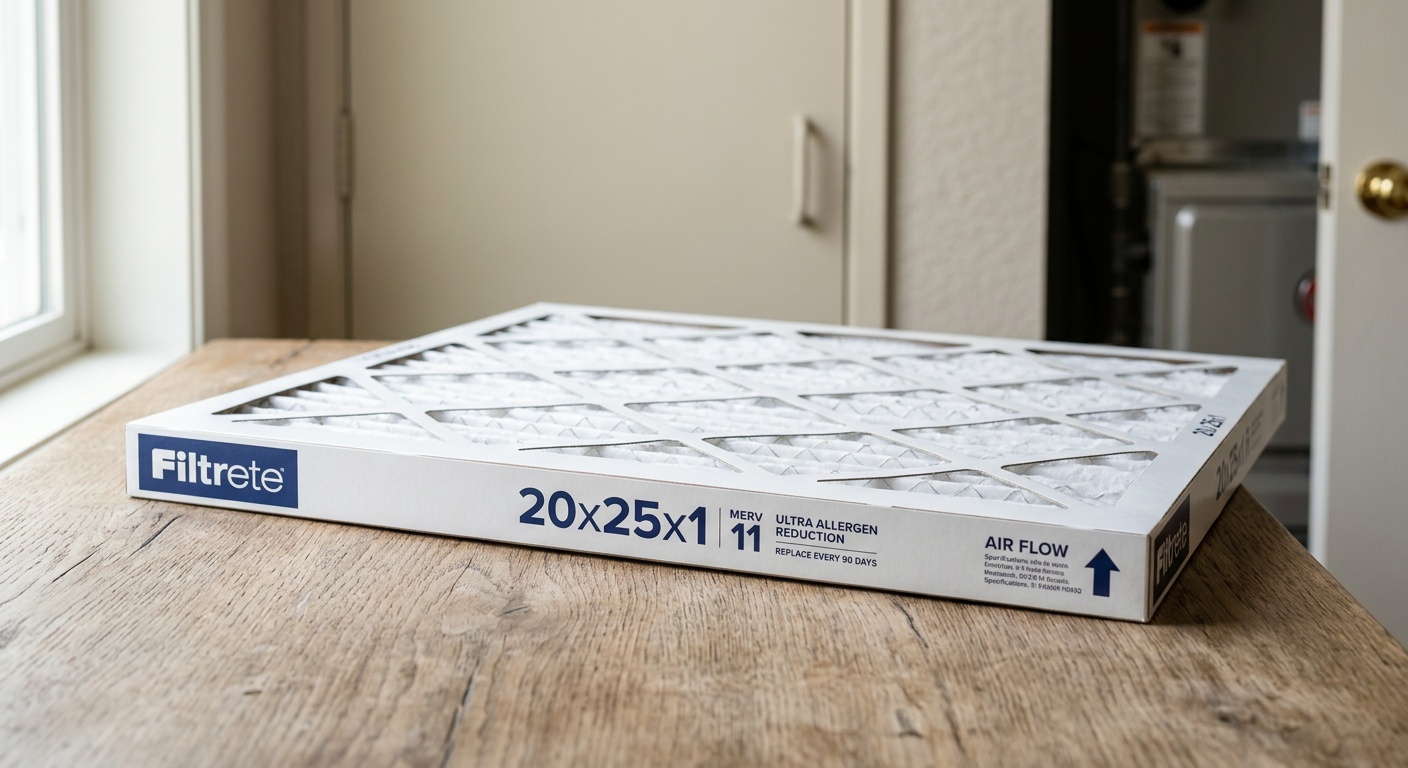
| HVAC Filter Change | Monthly (summer), Every 2–3 months otherwise | DIY | $8–$25/filter | Reduced efficiency, frozen coil, poor air quality |
| Roof Inspection | Annually + after major hail | Pro recommended | Free–$250 | Water intrusion, mold, structural damage |
| Foundation Moisture Management | Year-round monitoring | DIY + Pro as needed | $50–$100/yr (soaker hose) | Foundation movement, $5,000–$30,000 repairs |
| Water Heater Flush | Annually | DIY | $0 (DIY) or $80–$120 | Reduced efficiency, premature failure ($800–$1,500) |
Frequently Asked Questions
How much should Texas homeowners budget for annual maintenance?
A widely-used rule of thumb is the 1% Rule — budget 1% of your home’s purchase price annually for maintenance. For a $312,000 median-priced Texas home in 2026, that’s approximately $3,120 per year. However, given Texas-specific risks like hail damage, foundation movement, and HVAC demands, many financial advisors recommend budgeting 1.5%–2% for homes older than 15 years or located in high-risk areas. Spread this budget across a dedicated savings account so funds are available when needed rather than scrambling during an emergency.
What are the most urgent maintenance tasks before a Texas winter?
The three most critical pre-winter tasks are: first, insulating exposed pipes in garages, attics, and exterior walls and knowing exactly where your main water shutoff valve is located; second, scheduling a furnace inspection to check the heat exchanger and confirm the system will function when temperatures drop; and third, covering outdoor hose bibs with insulated covers. Additionally, testing your smoke and carbon monoxide detectors, confirming your emergency supply kit is stocked, and checking that any backup generator starts and runs under load will round out a solid winter prep plan. These tasks together can typically be completed in a weekend afternoon.
Should I hire professionals for maintenance tasks or do them myself?
The honest answer is: strategically both. Tasks like HVAC servicing, roof inspection, electrical panel checks, and anything involving gas lines should involve licensed professionals — the safety and liability stakes are too high. Tasks like changing HVAC filters, cleaning gutters, power washing, checking caulk and weatherstripping, flushing a water heater, and general monitoring are well within the scope of a motivated homeowner with basic tools. A practical approach: DIY the routine monitoring and simple maintenance, and invest in professional service for systems where failure carries serious financial or safety consequences. Building a relationship with 2–3 trusted local contractors (HVAC, plumbing, roofing) before you need them urgently is one of the best investments a Texas homeowner can make.
Your Year-Round Texas Home Maintenance Roadmap
Texas homeownership in 2026 demands more than a casual approach to maintenance. Between climate extremes, aging infrastructure, tighter insurance markets, and the genuine financial stakes of your home’s value, a strategic routine isn’t just helpful — it’s essential. Here’s how to move forward with confidence:
- Step 1 — Build your maintenance calendar this week. Use the month-by-month guide above to block maintenance tasks in your calendar right now. Treat HVAC service appointments, roof inspections, and foundation checks as non-negotiable commitments — not “I’ll get around to it” items.
- Step 2 — Create a dedicated home maintenance fund. Open a separate savings account and auto-transfer 1.5% of your home’s value annually. Having the money ready removes the psychological barrier to acting quickly when issues arise.
- Step 3 — Build your contractor network before you need it. Identify and vet a licensed HVAC technician, plumber, roofer, and general contractor in your area. Check Texas State License Board for Contractors (TSLB) registrations and read recent reviews. A pre-established relationship means priority service during emergencies.
- Step 4 — Document everything. Take dated photos of your roof, foundation, and major systems at least twice yearly. Keep receipts for all maintenance work. This documentation protects you during insurance claims and adds credibility during future home sales or refinancing.
- Step 5 — Stay informed about local risks. Sign up for your county’s emergency alert system and monitor Texas Department of Insurance updates on weather-related claim windows and coverage changes relevant to your area.
The broader trend is clear: as Texas continues growing — the U.S. Census Bureau projects Texas will add over 500,000 new residents by 2027 — housing demand, contractor competition, and insurance complexity will only increase. Homeowners who maintain proactively will be better insulated from rising repair costs and will hold stronger equity positions in an increasingly competitive market.
Your home is likely your largest financial asset. The question worth sitting with is this: are you maintaining it like one? The 30 minutes per month you invest in your home maintenance routine today could be the difference between building generational wealth and funding someone else’s renovation project.